A private car cannot make immigration lines disappear, but good preparation can prevent a routine Singapore-Malaysia trip from becoming an expensive delay. These private transfer border crossing tips are designed for travelers who want a door-to-door ride without last-minute document searches, missed pickups, or luggage problems at the checkpoint.
A pre-booked transfer gives families, groups, and business travelers more control over the journey. Your vehicle, pickup location, destination, and passenger details are arranged before departure. The remaining part is simple but essential: arrive ready for both countries’ border procedures and allow realistic time for traffic.
Confirm passports and entry requirements before pickup
Every passenger needs a valid passport for travel between Singapore and Malaysia. Check the passport expiration date well before departure. Entry rules can change, and many travelers are expected to have at least six months of passport validity remaining. Do not assume a child can travel using a birth certificate, school ID, or a parent’s passport. Each traveler should have their own valid travel document.
Depending on nationality, trip purpose, and current regulations, you may also need a visa, arrival card, or other supporting information. Complete any required digital arrival submissions before leaving your hotel, home, or airport. Border officers may ask for accommodation details, return travel plans, or the address of your destination, so keep those details available on your phone and in a form you can access without internet service.
If one adult is traveling with a child, especially where surnames differ, carrying supporting documents may be sensible. Requirements vary, but a copy of consent documentation or proof of relationship can help address questions without holding up the group.
Choose a pickup time based on traffic, not only distance
The road distance between Singapore and Johor Bahru can look short on a map. Border traffic is the variable that changes the trip. Weekday morning commutes toward Singapore, evening travel toward Malaysia, Friday departures, Sunday returns, public holidays, and school breaks can all create longer waits.
For a flight, cruise departure, appointment, or event, work backward from the time you must arrive. Include the drive to the checkpoint, Singapore exit formalities, travel between checkpoints, Malaysian entry formalities, and onward travel after the border. A private transfer removes the need to change buses or find another taxi, but it does not bypass immigration checks.
Early departures often offer a more predictable experience, although there is no guaranteed quiet border period. If your schedule is flexible, avoid placing a nonrefundable activity immediately after a border crossing on a peak travel day. For airport transfers, build in a meaningful time buffer rather than relying on the fastest travel estimate.
Share flight and terminal details for airport pickups
Airport arrivals need an extra layer of planning. Provide your flight number, landing date, terminal, number of passengers, and number of bags when booking. International arrivals can be delayed by baggage collection and immigration before the road journey even begins.
Keep your phone switched on after landing and use the agreed contact method if your arrival is delayed. A clear update allows the transport team to coordinate the pickup properly instead of guessing where you are or whether you have cleared the airport.
Keep travel documents within reach
One of the most practical private transfer border crossing tips is also the easiest: do not pack passports at the bottom of a large suitcase. Place passports, arrival confirmations, visas where applicable, and essential medication in a small personal bag that stays with you.
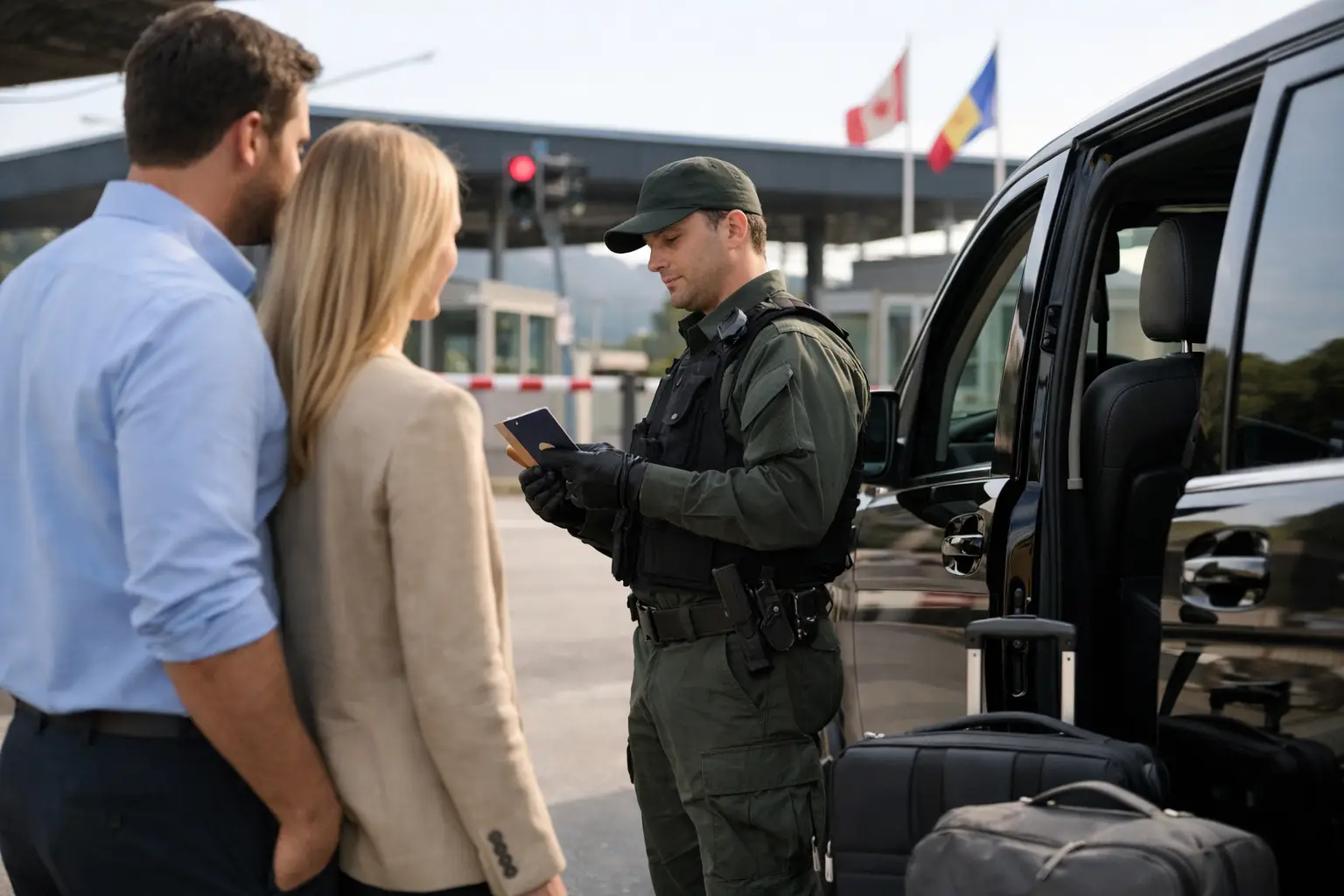
At the checkpoint, passengers may need to leave the vehicle or present documents according to the procedure in place that day. Your driver can guide you on where to go and what to expect, but each passenger remains responsible for their own passport and entry eligibility. Check that you have every passport before getting back into the vehicle, particularly when traveling with children or older relatives.
It is also wise to keep a digital copy of your passport and booking details stored securely on your phone. A copy is not a substitute for the original passport, but it can be useful if you need to confirm personal details or contact information.
Match the vehicle to people and luggage
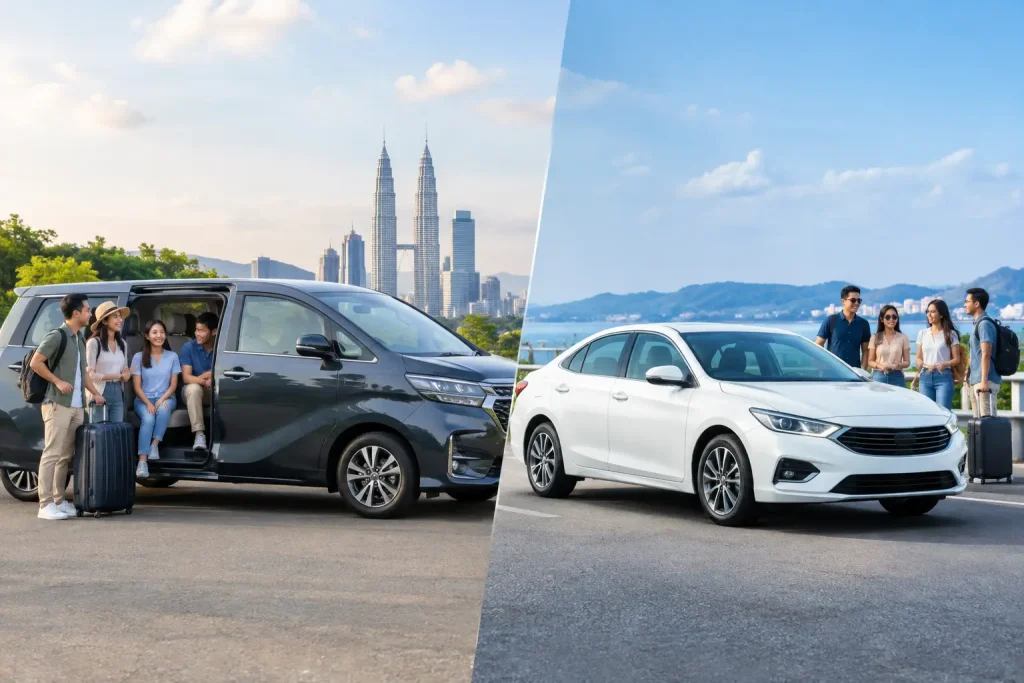
A larger vehicle is not automatically the right vehicle. The best choice depends on passenger count, luggage size, strollers, golf bags, mobility aids, and whether travelers want more personal space. A group of five adults with five large suitcases may need more capacity than a group of six adults traveling with small cabin bags.
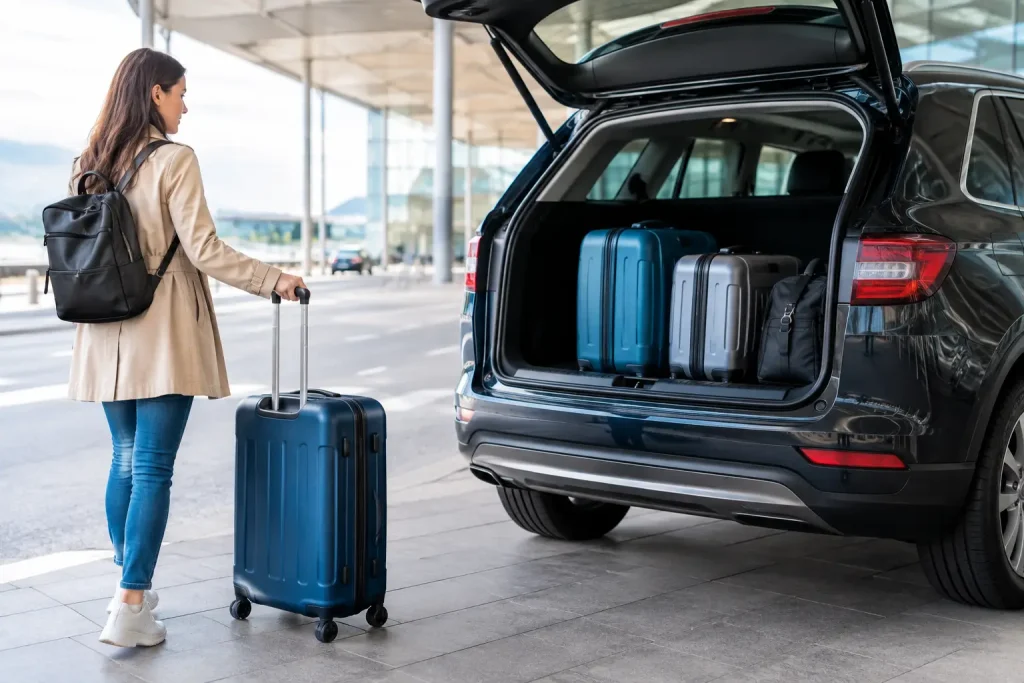
Give accurate luggage details at the time of booking. Mention oversized items in advance, including folded strollers, wheelchairs, bicycles, musical instruments, or sports equipment. This helps the provider assign a suitable car or MPV and reduces the risk of an uncomfortable ride or an item that cannot be loaded safely.
Avoid treating luggage capacity as a challenge to solve at pickup. A cramped vehicle affects passenger comfort, driver visibility, and safe storage. For families, leave enough accessible space for items needed during the journey, such as diapers, snacks, water, and a change of clothes.
Make the pickup instructions specific
Door-to-door service works best when the pickup point is precise. A condominium, hotel, office tower, or airport can have several entrances, lobbies, drop-off zones, and parking restrictions. Provide the full address, building name, tower or block number, and a practical meeting point.
At hotels, confirm whether the driver should meet you at the main entrance or a designated vehicle area. At apartments, be ready at the security gate or lobby if visitor access requires time. For large attractions and shopping centers, agree on a named entrance rather than saying “outside.”
Before departure, make sure the contact number provided can receive calls or messages. International visitors should confirm that their roaming, eSIM, or local data service is active. If communication is difficult, a simple missed connection can become a long wait in a busy pickup area.
Plan for the border experience, not just the ride
Private transport is more comfortable than coordinating several public connections, but border procedures still require patience. Follow the driver’s instructions on seating, bags, and where passengers should proceed. Do not leave valuables unattended in the vehicle, and do not carry restricted goods simply because another traveler said they were allowed.
Singapore and Malaysia have rules on controlled items, tobacco, alcohol, food, medicines, and other goods. Personal allowances and restrictions can differ by item and by traveler status. If you are bringing medication, keep it in its original packaging and carry relevant prescriptions or medical documentation when appropriate. When unsure about an item, check the current official requirements before traveling rather than risking confiscation or penalties.
Be especially careful with purchases made shortly before crossing. A quick stop for groceries, alcohol, or duty-free items can create problems if quantities exceed permitted limits or declarations are required. The fastest border crossing is usually the one where every passenger has clear documents and nothing questionable to explain.
Keep the schedule flexible during peak periods
Avoid booking a restaurant table, attraction entry, ferry, or business meeting for the exact time your navigation app predicts. Border traffic can change because of weather, accidents, holiday demand, system interruptions, or additional inspections. Build flexibility into the first part of your Malaysia itinerary.
This matters even more for longer routes to Malacca, Kuala Lumpur, Desaru, Genting Highlands, Cameron Highlands, Mersing, or Penang. A delayed border crossing does not only affect the checkpoint. It shifts meal stops, hotel check-in, child rest periods, and arrival time at your final destination.
For return trips to Singapore, apply the same thinking. If you are connecting to a flight, allow time for potential congestion and airport check-in requirements. Travelers sometimes plan generously for the outbound trip but underestimate the return journey, particularly on Sunday evenings and public holiday weekends.
Communicate changes as early as possible
Travel plans change. Flights arrive late, a group adds luggage, a hotel changes its entrance, or a passenger needs a different pickup time. The earlier you share changes, the more likely the arrangement can be adjusted efficiently.
When booking with a cross-border provider such as SGMYTRIPS, provide complete trip details from the start: travel date, pickup time, pickup address, destination, passenger total, luggage count, and any special requirements. Direct information helps the transport team plan the right vehicle and route for your group.
A well-prepared private transfer lets you focus on the purpose of the trip – a family weekend, a business meeting, a theme park visit, or an airport connection. Keep your documents ready, give yourself time, and let the ride begin with a clear plan rather than a rush at the border.