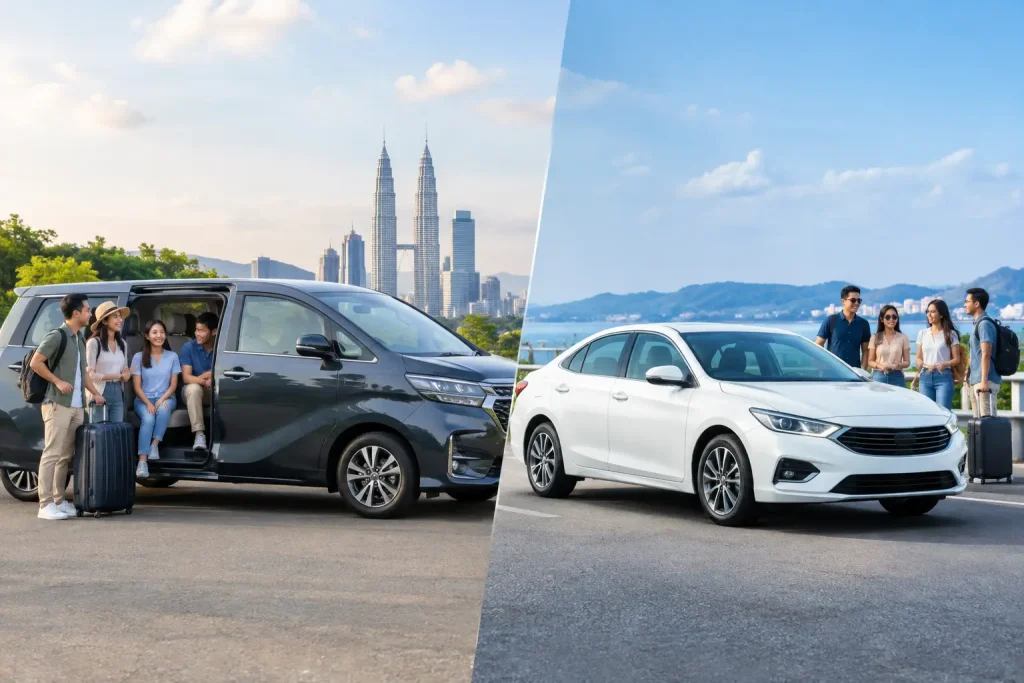
A private car can remove the hassle of changing buses, managing luggage at checkpoints, and keeping a group together. It cannot replace the documents required at immigration. When you prepare documents for private transfer travel between Singapore and Malaysia before pickup, the border process is usually simpler for everyone in the vehicle.
For a cross-border trip, each passenger is responsible for having valid travel documents and meeting entry requirements. Your driver handles the transport arrangement and follows the designated border process, while immigration officers decide whether a traveler may enter. A few minutes of preparation before departure can prevent missed plans, long delays, or an unnecessary return journey.
Start with a valid passport for every traveler
Every passenger crossing the Singapore-Malaysia border needs their own passport. This includes children and infants. Do not assume a child can travel on a parent’s passport or that a photocopy will be accepted at the checkpoint.
Check the passport expiration date well before your transfer. Many destinations and entry rules require a passport to have a minimum period of validity remaining, commonly six months, but requirements can vary by nationality and destination. A passport that is damaged, heavily worn, or has unclear personal details may also create issues at immigration.
Keep passports in a place that is easy to reach before the car arrives. A small travel wallet or pouch is more practical than packing them deep inside a large suitcase. At the border, passengers may need to take their passports out more than once. Having everyone search through bags at the same time slows the vehicle and adds pressure, especially when traveling with young children or elderly family members.
It is sensible to carry a clear digital copy of each passport in a secure device or account for backup purposes. However, a digital copy does not replace the original passport for border clearance.
Check entry eligibility before your private transfer
Passport validity is only one part of border preparation. Visa requirements, visa-free stay limits, arrival declarations, and entry conditions depend on a traveler’s nationality, current immigration status, and purpose of travel. Requirements may change, particularly around public holidays, policy updates, or health and security measures.
Before confirming a trip, each passenger should verify the official entry requirements for Singapore and Malaysia that apply to their passport. This is especially important for travelers who hold visas, work passes, student passes, long-term passes, or multiple citizenships. Bring any original permit, pass, or approval document that may be relevant to your journey.
If a traveler has an expired pass, an unresolved immigration matter, or uncertainty about re-entry permission, address it before the travel date. A private transfer is scheduled around your pickup and destination, but it cannot bypass immigration checks or guarantee admission at the border.
For tourists, keep details of onward travel, accommodation, and your destination address available. Officers do not ask every traveler for the same information, but having it ready helps if questions arise. Business travelers should also know the purpose of their visit and carry relevant meeting or hotel details where appropriate.
Prepare documents for private transfer pickup
Your booking confirmation is not an immigration document, but it is still useful travel information. Keep the confirmation accessible on your phone and make sure the lead passenger has the correct pickup time, pickup address, destination, vehicle type, and contact number.
For door-to-door transport, a complete address matters. A hotel name alone may not be enough when there are multiple properties with similar names or when the destination is a private residence, resort, ferry terminal, or attraction. Include building names, unit details when relevant, and a reachable local contact number if someone is meeting you at the destination.
Before travel, review your passenger count and luggage details against the booking. This is not paperwork in the immigration sense, but it affects whether the assigned car or MPV has sufficient seating and luggage space. Let the transport provider know in advance if you are carrying strollers, golf bags, foldable wheelchairs, large cartons, or unusually bulky items.
With SGMYTRIPS, providing accurate traveler and trip details in advance helps the team coordinate the right vehicle and pickup arrangement. It also reduces last-minute calls while you are preparing to leave.
Families should organize documents passenger by passenger
Family trips are easier when one adult holds a folder or pouch with documents arranged by traveler. Do not group documents loosely by bag or assume everyone knows where their passport is. At a busy border, that approach quickly becomes confusing.
For children traveling with both parents, the usual focus is a valid passport and applicable entry permission. If a child is traveling with one parent, grandparents, relatives, or another guardian, additional consent or custody documentation may be advisable or required depending on the circumstances and the authorities involved. Names that differ across passports, birth certificates, or booking records can also lead to questions.
Bring original supporting documents where relevant, such as a birth certificate, parental consent letter, or custody paperwork. Whether these documents are requested depends on the case, but carrying them is generally easier than trying to retrieve them during travel. Travelers should seek official guidance if they are unsure about the requirements for a minor.
Families should also pack essential medication, prescriptions, and child-care items in a carry-on bag inside the vehicle rather than in luggage that is difficult to reach. Border waits are unpredictable, and a practical bag makes the journey more comfortable.
Keep declarations and restricted items in mind
Documents are only one part of a smooth crossing. Singapore and Malaysia have rules on controlled, prohibited, and dutiable goods. Travelers should be careful with items such as tobacco products, alcohol, medicines, food, cash, commercial quantities of goods, and products that may require permits.
If you carry prescription medication, keep it in original packaging and have a prescription or medical letter available when appropriate. The same applies to specialized medical equipment. Travelers bringing goods for business, events, or resale may face different customs requirements than visitors carrying normal personal luggage.
Do not ask the driver to carry undeclared items or place items in the vehicle without clear knowledge of what they are. Each traveler should understand what is in their luggage and be ready to answer questions from customs or immigration officers. A private vehicle offers comfort and privacy, not an exemption from border regulations.
Plan for the border process, not only the drive time
The road journey is only part of a Singapore-Malaysia transfer. Border traffic can change due to weekday commuting, Friday evenings, school breaks, public holidays, long weekends, and weather. Even with a pre-booked vehicle, clearance time is outside the driver’s control.
Choose a pickup time with a buffer if you have a flight, hotel check-in, ferry departure, attraction reservation, or business appointment. This is particularly important for airport transfers. A comfortable car ride does not make a tight connection safe if you have not allowed time for immigration queues.
Wear or carry what you need for the checkpoint process. Keep passports, phones, wallets, and any entry forms together. Make sure your phone has enough battery for booking messages, digital travel records, and contact with your destination. If you rely on electronic documents, save copies offline in case mobile data is limited.
A quick check before the car arrives
Before leaving your pickup location, confirm that every traveler has an original valid passport, any required visa or pass, applicable arrival information, and access to the booking confirmation. Check that names on your reservation match the traveler’s identification as closely as possible. Keep destination details and emergency contacts available.
Then do one final luggage check. Passports, medication, money, phones, chargers, and travel documents should stay with passengers, not disappear into a suitcase at the bottom of the cargo area.
A private transfer is most convenient when the details are settled before the wheels start moving. Arrive at pickup with documents organized, requirements checked, and enough time in your schedule to let the border process run its course.