A cross-border trip can go smoothly or turn into a long chain of small problems. The difference usually comes down to planning. If you have ever tried to piece together taxis, buses, checkpoint queues, and luggage handling on the same day, you already know why people ask how border transfer booking works before they travel.
For private Singapore-Malaysia transport, the process is usually simpler than people expect. You book in advance, confirm your trip details, get matched with a suitable vehicle, and travel door to door with one driver handling the route across the border. That sounds straightforward because it is – but there are still a few details that matter if you want the trip to run on time.
How border transfer booking works from start to finish
The first step is sharing your travel plan clearly. A border transfer is not just a ride from one address to another. It involves pickup location, drop-off point, travel date, passenger count, luggage volume, and your preferred departure time. If you are heading to or from an airport, flight details also matter because timing affects driver scheduling.
Once those details are submitted, the transport provider checks the route, vehicle availability, and service area. This is where private transfer booking differs from regular taxi booking. Cross-border trips are usually arranged in advance because the provider needs to assign a vehicle that fits both the passenger group and the border route. A solo traveler with cabin baggage has very different needs from a family with strollers and large suitcases.
After that, you typically receive a quotation or booking confirmation based on the trip requirements. That confirmation should make the basics clear: service date, pickup time, vehicle type, route, and fare. If anything is unusual – for example, multiple stops, oversized luggage, child seats, or late-night pickup – it should be clarified before the booking is finalized.
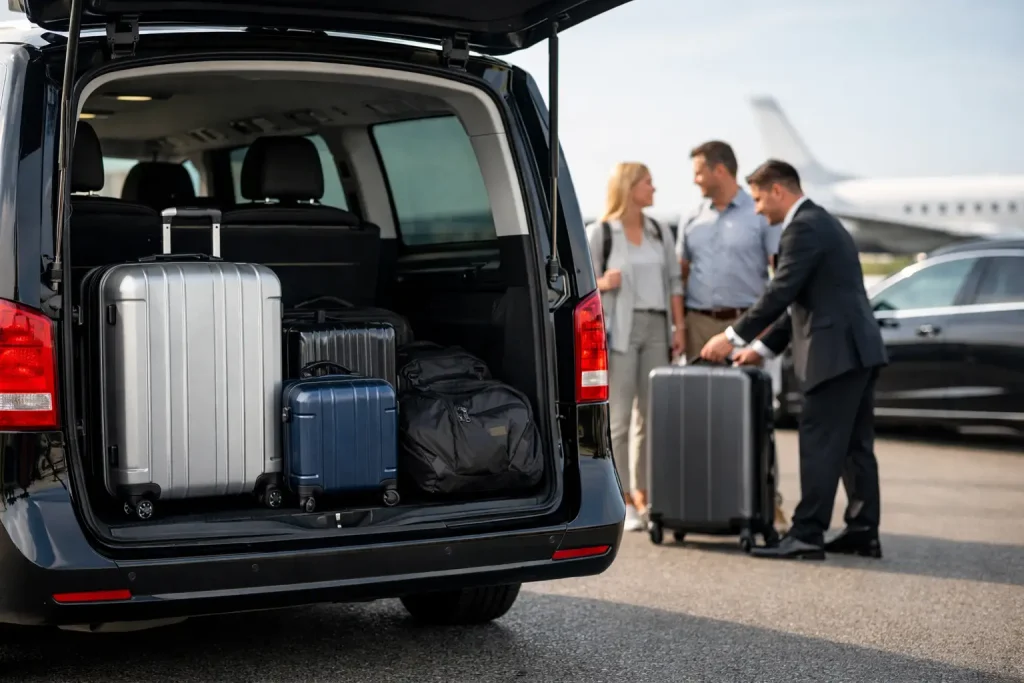
On the travel day, the driver arrives at the arranged pickup point and the journey begins. Instead of changing vehicles or managing separate legs of the trip yourself, you stay with one pre-booked private transfer from origin to destination, subject to normal checkpoint procedures. That is the main reason many travelers choose this option.
What information you need before booking
The more accurate your trip details are, the easier the booking process becomes. At minimum, most providers need your pickup address, destination, travel date, and number of passengers. For cross-border service, that is just the starting point.
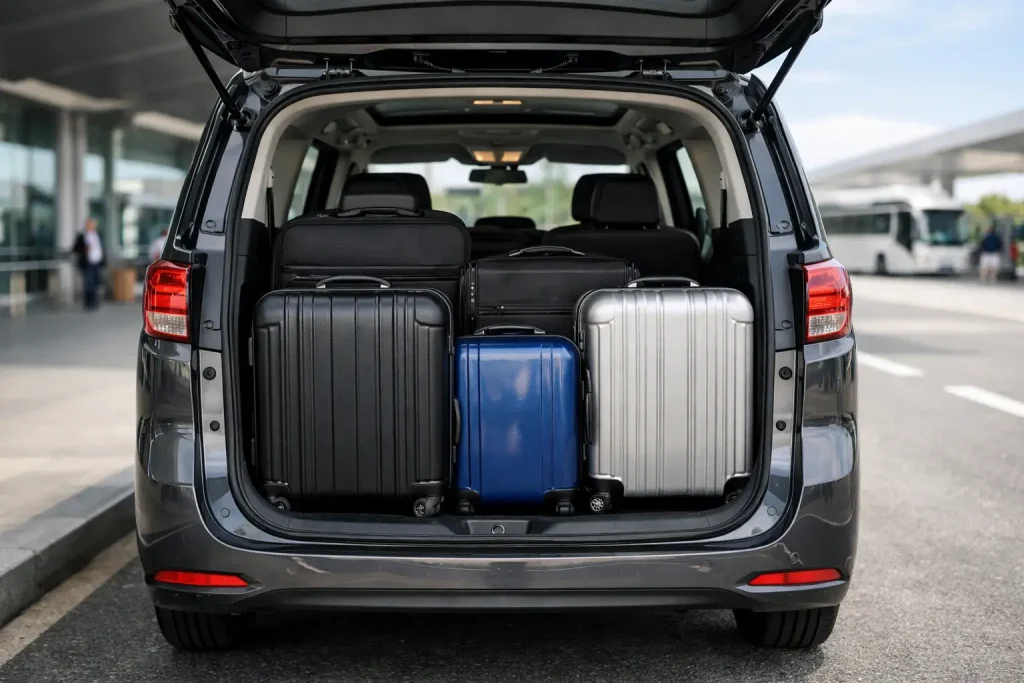
Luggage matters more than many travelers think. An MPV or private car may have enough seats for your group but not enough luggage space if everyone is traveling with large bags. If you understate your luggage count, the vehicle assigned may not fit the load comfortably. That can create delays before departure, especially during busy travel periods.
Timing is another key part of the booking. Some passengers focus only on the destination and forget that border traffic is not fixed. A trip to Johor Bahru on a weekday afternoon may move very differently from a Friday evening transfer to Kuala Lumpur. Private transport providers can help estimate a reasonable departure time, but they need your plans early enough to advise properly.
If your trip includes children, elderly passengers, or business travelers on a tight schedule, mention that upfront. Those details can affect vehicle choice, pickup planning, and stop flexibility. The goal is not just getting a booking confirmed. It is making sure the booking matches the way you actually travel.
Vehicle matching and why it affects the trip
A border transfer booking is partly a logistics decision. The vehicle needs to suit the route, the group size, and the baggage load. This is why providers usually ask more questions than a local ride-hailing app.
Private car transfers are often suitable for smaller groups with lighter luggage. MPVs are more practical for families, airport transfers, and groups carrying multiple bags. Premium vehicles may suit travelers who want extra comfort or are transporting clients, colleagues, or senior guests.
There is a trade-off here. A smaller vehicle may cost less, but only if it actually fits your trip requirements. Booking too tightly to save on price can reduce comfort and create boarding issues. On the other hand, some travelers assume they need the largest option available when a standard MPV would handle the trip perfectly well. A good booking process should guide that decision rather than leaving you to guess.
Checkpoints, travel time, and what passengers should expect
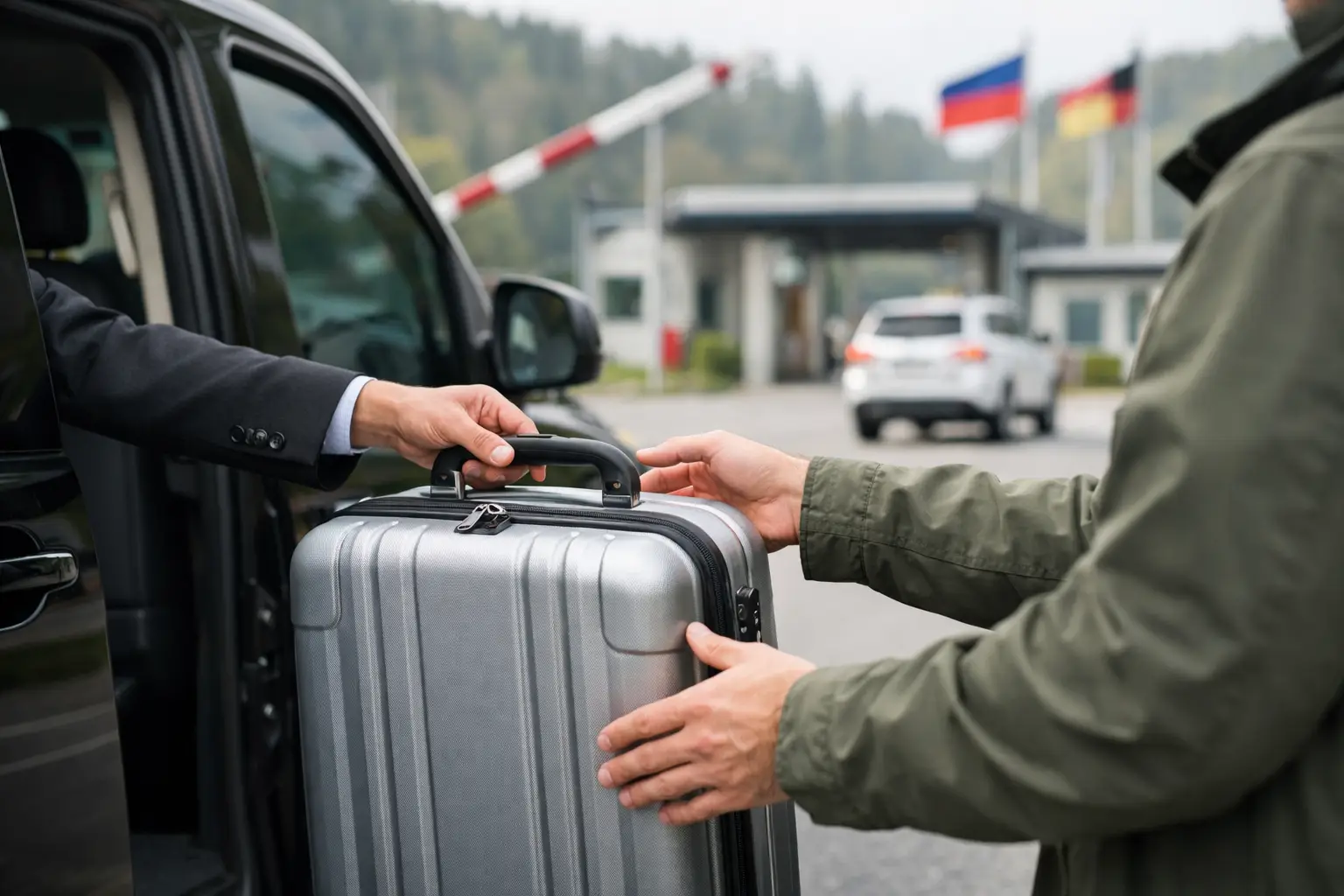
One of the most common misunderstandings about cross-border transport is the idea that booking a private transfer means avoiding all delay. That is not how it works. A private transfer reduces the hassle of route coordination, transfers, and waiting for public transport, but checkpoint clearance still depends on traffic volume, day of travel, and immigration flow.
What private booking does change is the overall experience. You are not getting dropped at one point and left to figure out the next step. You are traveling in a pre-arranged vehicle with a driver who is used to the Singapore-Malaysia route. That usually means a more direct trip, clearer timing, and less physical effort, especially if you are traveling with children, elderly parents, or heavy luggage.
Travelers should still plan with some buffer, particularly for airport transfers, business meetings, ferry connections, and weekend or holiday departures. Border traffic can be light one day and slow the next. Reliable providers can advise based on route experience, but no one can promise identical crossing times every trip.
How pricing usually works
When people ask how border transfer booking works, they are often really asking how fares are set. In most cases, the price is based on the route, vehicle type, number of passengers, luggage needs, and any special trip requirements. A direct transfer between common Singapore and Johor routes may be priced differently from a longer journey to Malacca, Genting Highlands, or Penang.
Additional factors can affect the fare. These may include late-night service, waiting time, multiple pickup points, multiple drop-offs, holiday demand, and custom itineraries such as day trips or hourly charter use. This is why fixed pricing is easiest for straightforward point-to-point bookings, while more complex trips may need a tailored quote.
The practical point for travelers is simple: be complete when requesting your booking. If you change the route or add passengers after confirmation, the fare or vehicle assignment may also need to change. Clear details at the start usually lead to a smoother booking and fewer last-minute adjustments.
Airport pickups and return trips
Airport-related border transfers need tighter coordination than standard city pickups. If you are landing in Singapore and heading directly into Malaysia, your driver assignment and pickup timing may depend on your flight arrival. Delayed flights, early arrivals, and baggage collection time all affect the handoff.
For this reason, flight number details are usually part of the booking. They help the provider track arrival timing and plan pickup more accurately. The same applies to transfers going to the airport from Malaysia or from another Singapore location. In those cases, departure timing matters even more because checkpoint traffic can affect your airport check-in window.
Round-trip bookings can also be useful if your return date is already fixed. They reduce the need to arrange transport again later and can make scheduling easier for families and business travelers with set plans. But if your return timing is uncertain, a one-way booking may be more practical. Flexibility and certainty do not always go together, so it depends on your itinerary.
How to avoid common booking problems
Most border transfer issues start before the car arrives. The booking itself is where mistakes usually happen. Incorrect addresses, unclear passenger counts, missing luggage details, and unrealistic departure times are common problems.
If you want a smooth trip, confirm the full pickup address, share the exact destination, state how many people are traveling, and describe your bags honestly. If someone in your group needs extra assistance or if you plan to carry bulky items, say so early. It is much easier to assign the right vehicle in advance than to solve a space problem at the curb.
It also helps to book earlier during peak periods. Weekends, school holidays, long weekends, and festive seasons usually bring heavier demand and slower checkpoint movement. Advance booking gives you better scheduling options and more time to confirm the trip details properly.
For travelers who want a practical, door-to-door option between Singapore and Malaysia, that is really how border transfer booking works. It is a pre-arranged service built around route planning, vehicle fit, and timing rather than last-minute availability. When the booking details are accurate, the trip tends to be far simpler than trying to organize the journey piece by piece. If your travel day already has enough moving parts, keeping transport straightforward is usually the smart place to start.