A parent who is comfortable at home may find a long travel day tiring for very different reasons: standing in queues, changing vehicles, finding a restroom, managing luggage, or sitting too long without a break. The best transport for elderly travelers is usually the option that reduces those pressure points from the start. For trips between Singapore and Malaysia, a pre-booked private transfer is often the most practical choice because it provides direct pickup, space for family members and bags, and fewer handoffs along the way.
The right arrangement still depends on the traveler’s mobility, medical needs, trip length, and budget. A senior who is active and traveling light may be fine with more conventional transport. Someone using a cane, wheelchair, walker, or portable medical equipment will usually benefit from a door-to-door vehicle with a schedule set around their needs.
What Makes Transport Senior-Friendly?
Senior-friendly transport is not only about having a soft seat. It is about reducing unnecessary walking, waiting, lifting, and uncertainty. A vehicle can be clean and spacious, yet still be a poor fit if the passenger must reach an unfamiliar pickup point, change buses at the border, or rush through a connection.
For elderly travelers, the most useful features are direct pickup and drop-off, assistance with luggage, a vehicle that is easy to enter, air conditioning, enough legroom, and the ability to request rest stops when appropriate. Predictability matters too. Knowing who will pick them up, where they will go, and how the journey will work helps reduce travel stress for both the traveler and the family member coordinating the trip.
Cross-border travel adds another consideration. Singapore-Malaysia routes can involve traffic, immigration procedures, and varying journey times. A transport plan that avoids multiple transfers gives elderly passengers a calmer and more manageable experience.
Comparing the Best Transport for Elderly Travelers
Private car or MPV transfer
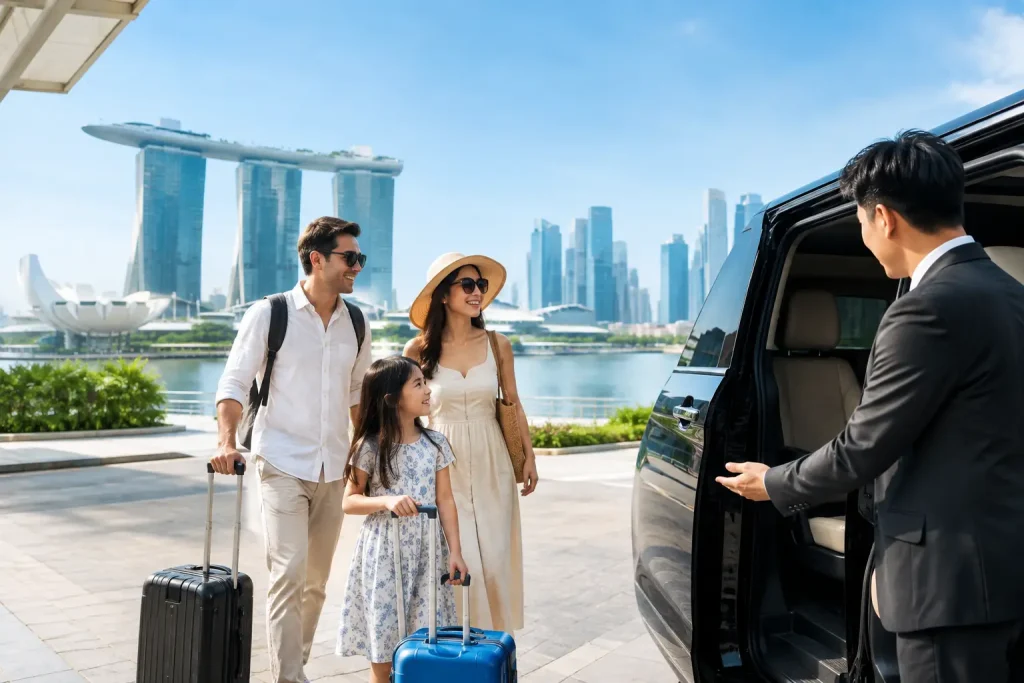
For many families, a private car or MPV is the strongest option for cross-border travel. The vehicle picks passengers up from their home, hotel, airport, or another agreed location and brings them directly to their destination. There is no need to navigate a terminal with luggage or coordinate separate rides after arriving in Malaysia.
This option is particularly useful when an elderly traveler is accompanied by family. An MPV can accommodate several passengers, so a spouse, adult children, grandchildren, and luggage can travel together. Being with familiar people also makes a long journey easier for a senior who may need reassurance, help with documents, or a rest break.
The trade-off is cost. A private transfer generally costs more than a public bus seat, especially for one passenger. However, the value changes when several people travel together or when door-to-door convenience prevents the need for taxis, parking, extra transfers, and long walks. SGMYTRIPS provides pre-booked private transfers for travelers who prefer this direct Singapore-Malaysia arrangement.
Public buses
Public buses can be suitable for seniors who are mobile, comfortable with crowds, and traveling on a tight budget. They are widely used for Singapore-Johor Bahru trips and certain longer Malaysian routes. The main limitation is the amount of self-management involved.
Passengers may need to get to a bus terminal, wait in line, handle bags, disembark for immigration, reboard, and arrange onward transport at the other end. During busy weekends, school holidays, and public holidays, these steps can become tiring. A bus may work well for an independent senior taking a simple route, but it is less suitable for someone who tires easily or cannot stand for extended periods.
Standard taxis and ride-hailing cars
Taxis and ride-hailing services are convenient for short local trips, such as getting to a clinic, restaurant, hotel, or shopping center. They can also work for airport transfers within one country. For a longer cross-border journey, availability, vehicle size, border permissions, and pricing can be less predictable.
A standard sedan may not have enough room for a family group, a folding wheelchair, several suitcases, or mobility aids. If this is the preferred option, confirm the vehicle type and pickup process before relying on it. Do not assume a driver can handle a cross-border route simply because they offer local trips.
Rail and air travel
Trains and flights can be sensible for specific destinations, especially when traveling farther into Malaysia. They may shorten travel time, but the total journey includes getting to the station or airport, checking in, waiting, walking through large facilities, collecting baggage, and arranging transport after arrival.
For a senior who enjoys traveling independently and can manage the terminal process, rail or air travel may be a good fit. For someone with reduced mobility, a direct road transfer can be easier even when the drive is longer, because it removes several separate stages from the day.
Choosing the Right Vehicle Size
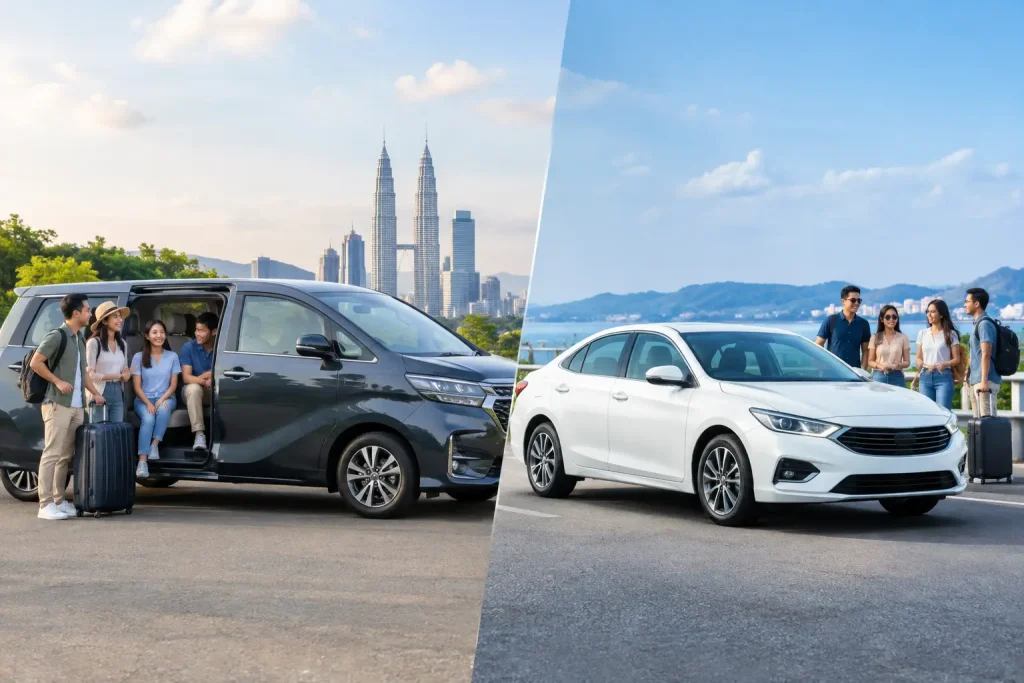
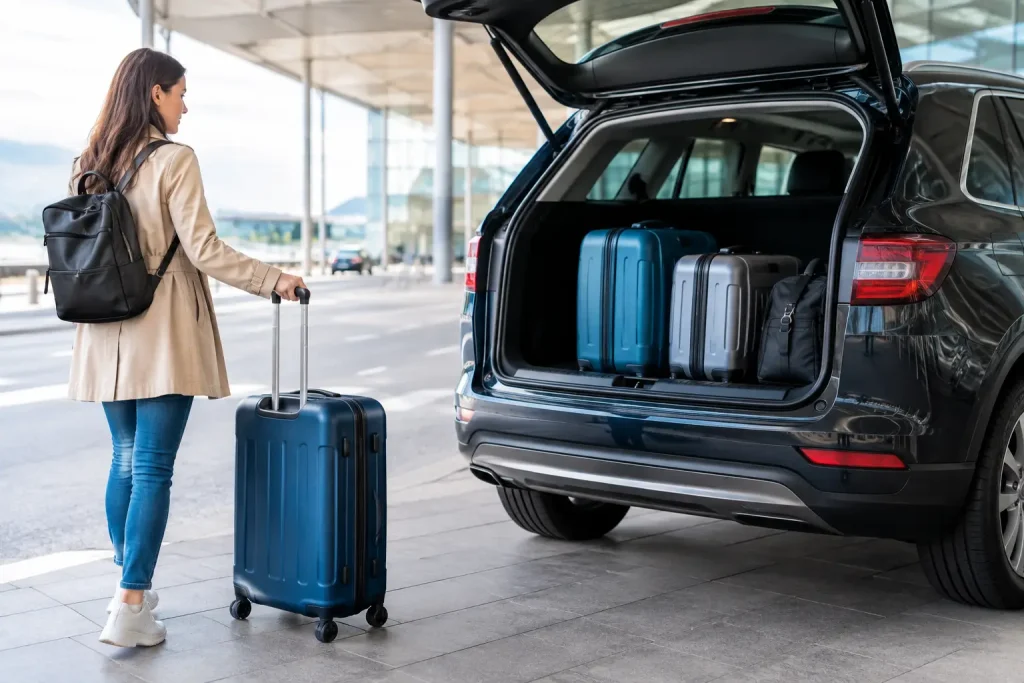
Vehicle selection should be based on more than passenger count. Families should consider how much room is needed for luggage, walking aids, and comfortable seating. A compact car may be adequate for one or two travelers with light bags, while an MPV is usually more practical for families, airport arrivals, or trips with a wheelchair or walker.
Ask whether the mobility aid folds, its approximate size, and whether the traveler needs a specific seating position. Some seniors find it easier to enter a higher vehicle, while others prefer a lower seat. If getting in and out of the car is difficult, tell the transport provider before booking so the vehicle recommendation can be based on the passenger’s actual needs.
For longer drives to Kuala Lumpur, Malacca, Genting Highlands, Cameron Highlands, Penang, or other Malaysian destinations, extra cabin space can make a real difference. A crowded vehicle is uncomfortable for anyone, but it can be especially difficult for an elderly passenger who needs room to adjust position during the journey.
Plan the Route Around Energy Levels
The best departure time is not always the earliest available time. Many older adults are more comfortable traveling after breakfast, when they have taken regular medication and are not rushed. Others prefer an early departure to avoid heavier border traffic. The right choice depends on personal routine, likely traffic conditions, and the destination.
Build in flexibility. For a long drive, let the driver know if the passenger may need a restroom stop, a meal break, or a short walk to stretch their legs. A pre-arranged stop is far easier than waiting until discomfort becomes urgent. Families should also carry water, light snacks, tissues, a light jacket, and any medicines needed during the trip in a bag that stays within reach.
If the traveler has circulation concerns, chronic pain, breathing difficulties, or a condition affected by prolonged sitting, seek advice from their healthcare professional before a long journey. Transport planning supports comfort, but it does not replace medical guidance.
Border Travel: Keep Documents Easy to Reach
At the Singapore-Malaysia border, elderly travelers should not have to search through multiple bags for a passport or required travel documents. Keep passports, entry documents, medication, and emergency contact details in one small, accessible pouch. A family member can help organize these items before departure.
Explain the border process in simple terms before leaving. For some seniors, particularly those who are anxious about unfamiliar routines, knowing that there may be a short wait or an immigration check prevents unnecessary worry. Avoid overloading them with details. A calm explanation and a clear plan are usually enough.
Travelers should also allow extra time during peak periods. Weekend mornings, Friday evenings, school holidays, and festive seasons can bring longer waits. A private transfer does not eliminate immigration procedures, but it reduces the need to coordinate what happens before and after the border crossing.
Questions to Ask Before Booking
Before confirming transport, provide accurate details about pickup and drop-off locations, passenger count, luggage, mobility aids, and the desired departure time. It is also useful to ask whether the driver can assist with normal luggage handling, whether rest stops can be arranged for a longer trip, and what vehicle type is recommended.
Be clear about needs without assuming every request is available. For example, a family should confirm wheelchair storage rather than simply stating that a wheelchair will be brought. If a passenger needs hands-on physical assistance, has complex medical needs, or requires specialized accessible equipment, discuss this in advance and consider whether a dedicated medical or accessible transport service is more appropriate.
Make the Journey Easier Before the Car Arrives
The most comfortable trip often begins the night before. Pack early, place essential medication in a carry-on bag, charge phones, confirm pickup details, and choose clothing that is easy to sit in for several hours. On departure day, allow enough time for the traveler to use the restroom and get ready without rushing.
A well-planned private transfer gives elderly travelers something valuable: a travel day with fewer demands on their energy. When the vehicle, route, luggage space, and border plan are arranged in advance, families can spend more attention on the person traveling and less on managing the journey.