A Singapore-Malaysia road trip can feel simple until the vehicle reaches the border. Knowing what happens during checkpoint clearance helps you avoid the usual sources of delay: a missing passport, unclear arrival information, restricted goods, or passengers leaving the vehicle before they are asked to do so.
For private transfers, the process is generally more direct than changing buses or arranging separate rides on each side. You travel with your group and luggage in one vehicle, while the driver follows the required lanes and checkpoint procedures. Clearance times still depend on traffic, immigration operations, and customs screening, especially on weekends, public holidays, and school breaks.
What Happens During Checkpoint Clearance at the Border
Checkpoint clearance has two main parts: immigration clearance and customs clearance. When traveling from Singapore into Malaysia, you will complete Singapore departure formalities first, then Malaysia arrival formalities. The same principle applies in reverse when returning to Singapore.
Immigration officers check whether each traveler is permitted to leave one country and enter the other. Customs officers focus on goods being carried, including items that may be taxable, prohibited, or restricted. These checks can happen at separate points or as part of the same checkpoint flow.
Your driver will know which lanes are appropriate for the vehicle and will follow instructions from checkpoint personnel. Travelers should stay calm, keep passports accessible, and listen carefully if an officer asks the vehicle to stop, move forward, or enter an inspection area.
Step 1: Approaching the departure checkpoint
As the vehicle approaches the departure checkpoint, traffic may slow or queue. This is normal, particularly around the Woodlands and Tuas crossings. Your driver will follow the designated route for private vehicles and present any required vehicle-related documents.
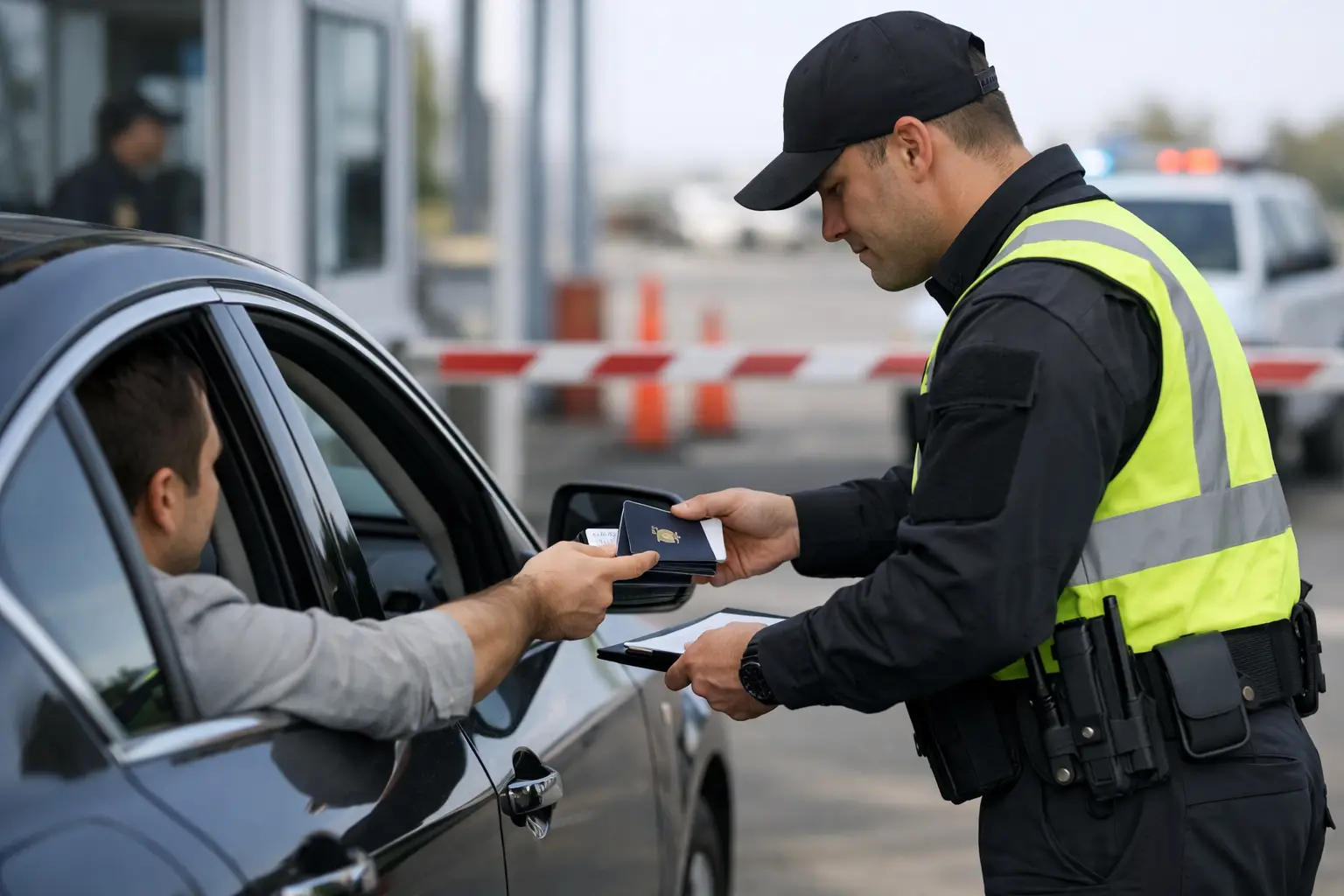
Passengers should have their own passports ready before reaching the immigration booth or processing point. Do not pack passports deep inside checked luggage or leave them in a bag that is difficult to reach. If you are traveling with children, keep each child’s passport with the responsible adult.
Depending on checkpoint instructions, passengers may be processed while remaining in the vehicle or may need to alight and clear immigration individually. Procedures can change based on the checkpoint, lane, traffic conditions, and operational requirements.
Step 2: Immigration departure processing
At the departure immigration point, officers verify your travel document and may confirm your identity through facial recognition, biometric verification, or a manual passport check. The officer may ask brief questions, although many passengers will only need to follow the stated process and wait for approval.
Make sure your passport is valid for the trip. Travelers entering Malaysia commonly need a passport with at least six months of validity remaining, though entry requirements can change. Visa requirements also depend on nationality, purpose of travel, and length of stay. It is the traveler’s responsibility to confirm current entry rules before departure.
A private transfer driver cannot clear immigration on a passenger’s behalf. Every traveler, including infants and children, must meet the entry and exit requirements for the relevant country.
Step 3: Traveling between the two checkpoints
After departure clearance, the vehicle continues across the causeway or second link toward the arrival checkpoint. This portion is usually quick when traffic is moving, but the overall border journey can still take longer during peak periods.
This is not the time to assume the crossing is complete. You still need approval to enter the destination country. Keep your passport available until the vehicle has cleared arrival immigration and customs.
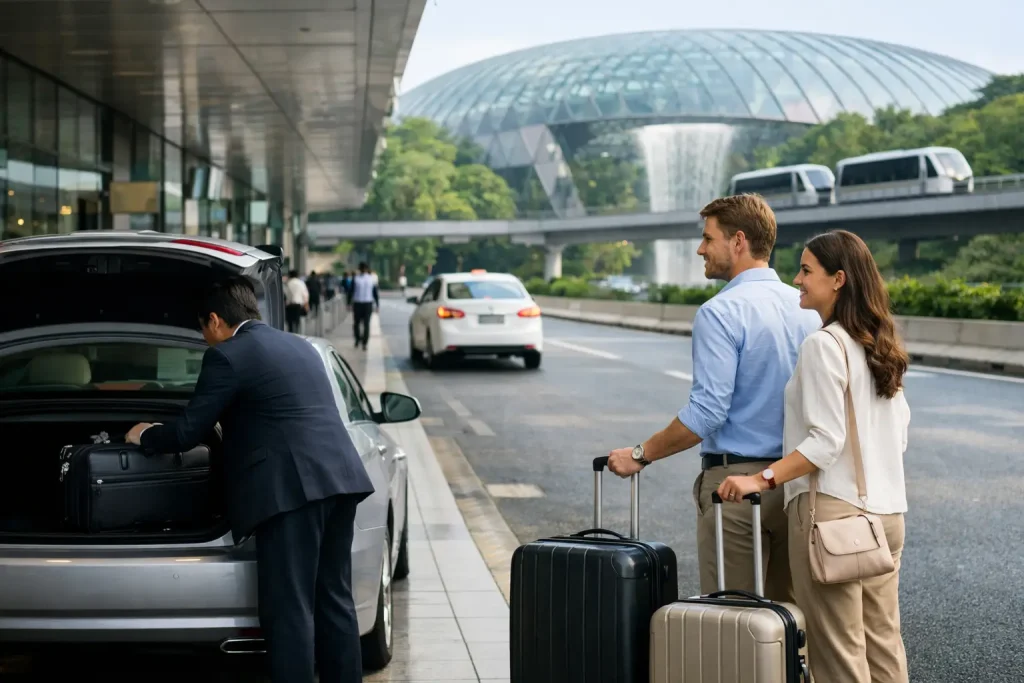
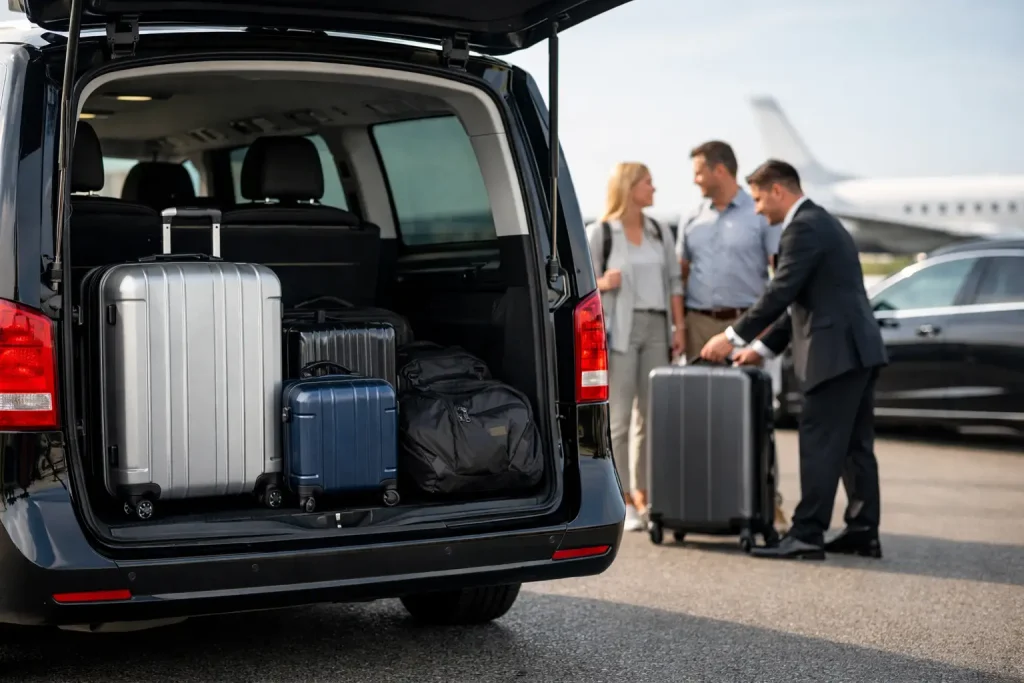
For travelers using a private car, MPV, or premium transfer, staying in the same vehicle can be especially useful for families, elderly passengers, and groups with multiple bags. There is no need to manage a bus transfer or carry luggage through multiple transport connections after the border.
Step 4: Arrival immigration processing
At the arrival checkpoint, immigration officers check your eligibility to enter the country. They may scan your passport, review electronic arrival information, or ask questions about your visit, such as where you are staying, how long you will remain, or the purpose of your trip.
When entering Malaysia, some travelers may need to complete the Malaysia Digital Arrival Card before arriving, depending on current rules and exemptions. When returning to Singapore, travelers should also check whether an arrival declaration or other pre-arrival requirement applies to their nationality and travel status.
Complete required declarations accurately and before the trip where possible. A form that is incomplete, submitted late, or inconsistent with your travel details can create avoidable delays. If you are unsure about a requirement, check the relevant official authority before your pickup time rather than relying on assumptions from a previous trip.
Customs Clearance and Luggage Checks
Once immigration is complete, customs clearance addresses what you are bringing across the border. Many passengers pass through without a detailed inspection, but customs officers may select any vehicle or traveler for screening. Selection can be random or based on operational concerns.
Officers may ask whether you are carrying goods that require declaration. They may inspect bags, request that the trunk be opened, or direct the vehicle to a secondary inspection area. This does not automatically mean there is a problem. It is part of border control operations.
Be particularly careful with alcohol, tobacco products, controlled medicines, food items, high-value purchases, and commercial quantities of goods. Rules and duty-free allowances vary by country and can change. Keep receipts for significant purchases if relevant, and declare goods when required.
Do not carry prohibited items or agree to transport packages for someone else if you do not know exactly what is inside. Every passenger is responsible for their own belongings. A driver may assist with opening the luggage compartment when instructed, but customs questions about personal bags should be answered truthfully by the passenger.
Why Clearance Times Vary
There is no fixed time for checkpoint clearance. On a quiet weekday, the border process may move quickly. On a Friday evening, Sunday afternoon, long weekend, festive period, or school holiday, queues can be much longer than expected.
Processing time also depends on the number of open lanes, system availability, staffing, weather, road incidents, passenger document issues, and secondary customs inspections. A private transfer reduces the inconvenience of changing vehicles or navigating public transport, but it cannot bypass immigration or customs requirements.
For this reason, travelers heading to an airport, ferry terminal, business meeting, hotel check-in, or event should allow a sensible time buffer. This matters even more for flights and fixed-time reservations. Your driver can plan the route and pickup around normal travel conditions, but border delays are controlled by the authorities.
How to Prepare for a Smoother Private Transfer
The best preparation is simple: have complete documents, provide accurate travel details, and pack with customs rules in mind. Before pickup, confirm that every passenger has a valid passport and any visa or arrival declaration required for the journey.
Keep passports, confirmation details, medications, and essential personal items in a small bag that stays with you. If you are traveling as a family or group, decide who holds each person’s documents before the vehicle arrives. This prevents last-minute searching at the checkpoint.
Share the correct pickup location, destination, passenger count, and luggage details when arranging a transfer. For cross-border travel, these details help the transport provider assign a suitable vehicle and coordinate the journey properly. A larger MPV may be more practical than a standard car when several passengers are carrying suitcases, strollers, or shopping bags.
SGMYTRIPS provides pre-booked private transfers for travelers who prefer a direct Singapore-Malaysia journey without managing multiple transport connections. The border process remains subject to immigration and customs clearance, but having a planned vehicle and experienced cross-border driver removes much of the route coordination.
Common Checkpoint Mistakes to Avoid
The most common problem is treating the border crossing as a routine drive rather than an international journey. A passport that is expired, damaged, or close to its validity limit can stop a trip before it begins. The same applies to missing visas, incomplete arrival forms, and incorrect traveler details.
Another mistake is scheduling too tightly. A 9:00 a.m. appointment in Johor Bahru may require far more travel time than the road distance suggests if the crossing is busy. Build time into your schedule rather than expecting the checkpoint to move at a predictable pace.
Finally, do not separate from your group or leave personal belongings behind unless directed by officers. Stay with the driver and fellow passengers through the process, follow official instructions, and wait until the vehicle has fully exited the checkpoint area before considering the crossing complete.
A little preparation makes checkpoint clearance far less stressful. Bring the right documents, allow extra time, and let your driver handle the road logistics while you focus on a safe, comfortable trip ahead.