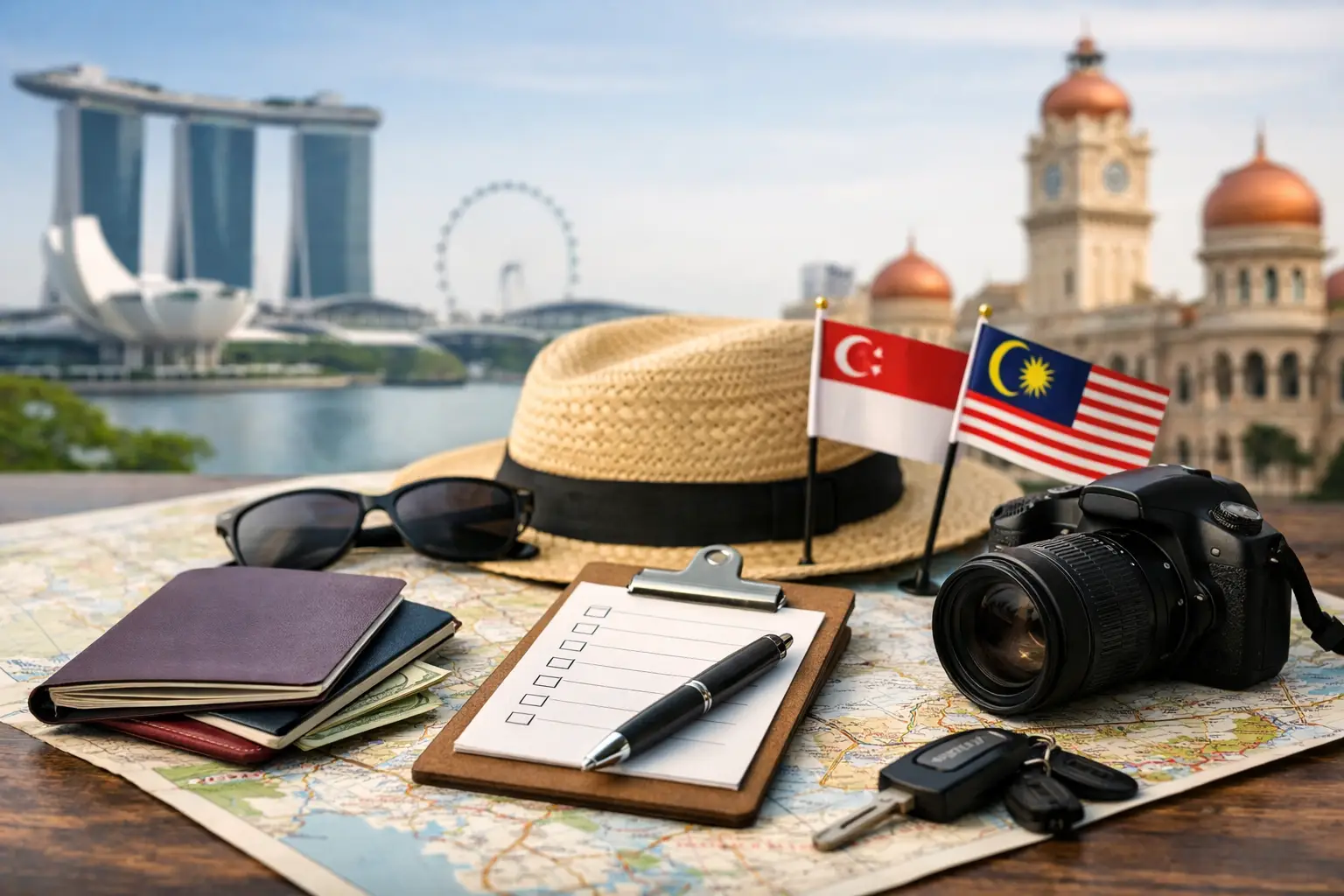
A Singapore-Malaysia trip can be simple when the details are handled before you leave. This border crossing travel checklist is designed for travelers using private transport, whether you are heading to Johor Bahru for the day, catching a flight, or traveling farther to Kuala Lumpur, Malacca, or Desaru.
The border itself is only one part of the journey. Your passport, arrival requirements, luggage, pickup details, and return plan all affect how smoothly the trip goes. A few minutes of preparation can prevent missed appointments, long waits, or a stressful handover at immigration.
Border Crossing Travel Checklist: Start With Documents
Keep your essential travel documents together in a small, accessible bag. Do not pack them inside a suitcase that may be stored in the vehicle. Every passenger, including children, should have their own valid travel document ready before pickup.
Check your passport validity well before departure. Many destinations require a passport to remain valid for a minimum period beyond your date of entry. If you are traveling with a child, make sure the child’s passport is current too. A child cannot travel on a parent’s passport.
Before your trip, confirm the latest entry rules that apply to your nationality, residency status, and reason for travel. Singapore and Malaysia may require digital arrival submissions or have specific conditions for visitors, work pass holders, and long-term residents. Requirements can change, especially around public holidays or policy updates, so do not rely only on information from a previous trip.
Bring supporting documents when they apply to your situation. This may include a return or onward travel plan, hotel confirmation, business meeting details, visa approval, or permit documentation. Most short leisure trips are straightforward, but having clear travel information available can help if an immigration officer asks about your visit.
For a private transfer, provide each traveler’s passport details accurately if requested during booking. This allows the transport provider to prepare the trip correctly and reduces last-minute coordination.
Confirm Your Pickup, Destination, and Travel Timing
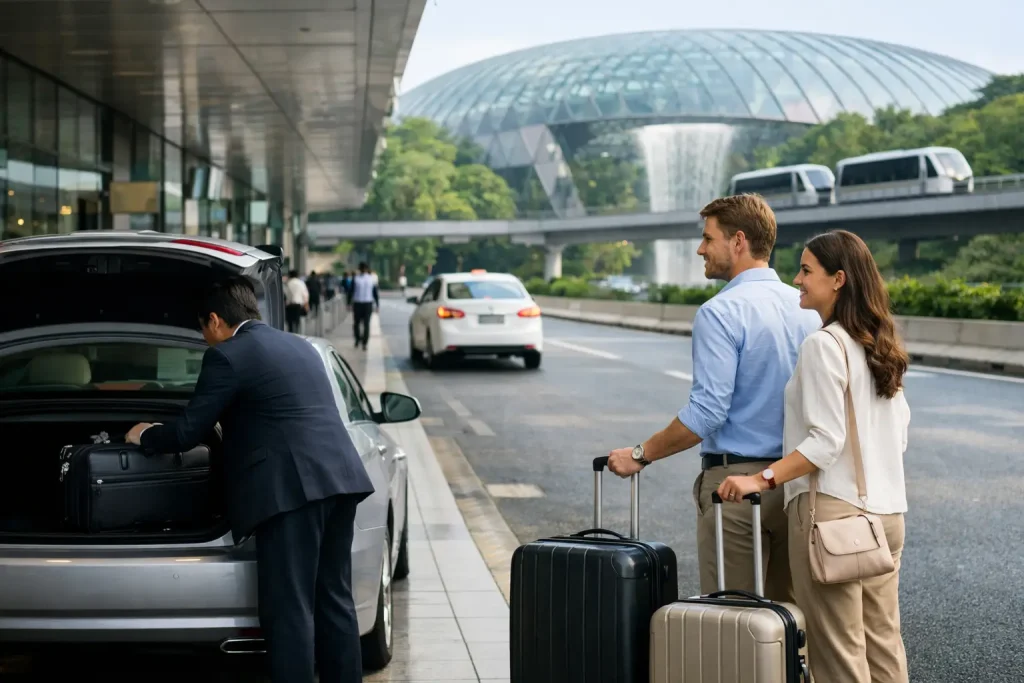
Private cross-border transport removes the need to change buses, line up for separate taxis, or carry luggage between terminals. It still requires accurate booking information. Confirm your pickup address, preferred pickup time, destination address, passenger count, and luggage quantity at least a day before travel.
Be specific with addresses. A condominium name, hotel lobby, airport terminal, or shopping mall can have multiple entrances. Include unit numbers where appropriate and provide a reachable contact number. If your pickup is at Singapore Changi Airport, share your flight number and expected landing time so your transfer can be coordinated around your arrival.
Build extra time into the schedule. Traffic at Singapore-Malaysia checkpoints varies by day, time, school holidays, long weekends, and weather. Friday evenings, Sunday returns, public holidays, and festive periods are often busier. There is no guaranteed border crossing time, even with a private vehicle.
If you have a flight, ferry, hotel check-in deadline, medical appointment, or business meeting, plan backward from the required arrival time. Private transport is particularly useful for groups and travelers with luggage, but it cannot remove immigration processing or unexpected checkpoint congestion. Allow a practical buffer rather than scheduling your arrival to the minute.
Pack for Immigration and Vehicle Travel
A good packing plan makes the checkpoint process quicker for everyone in the vehicle. Keep your passport, phone, wallet, required arrival confirmation, and any medication you need during the journey in a personal carry-on bag.
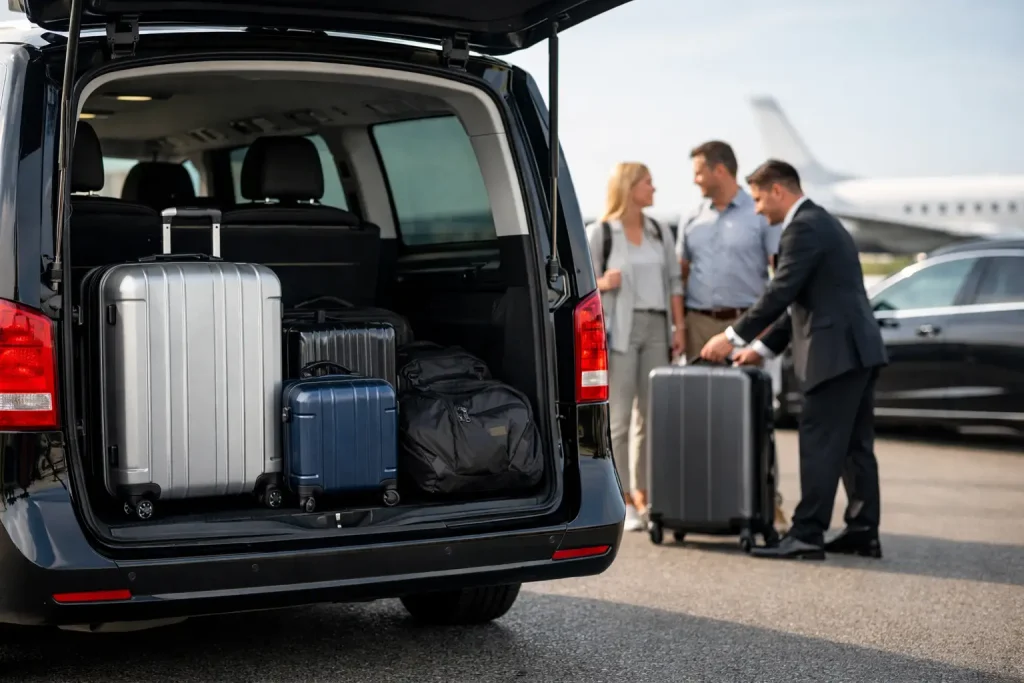
For larger luggage, tell your transport provider the number of suitcases, strollers, golf bags, or bulky items before travel. An MPV or larger private vehicle may be a better fit for families and groups, but capacity depends on both passenger count and luggage size. A seven-passenger vehicle, for example, may not have space for seven large suitcases.
Use this practical packing check before departure:
- Passport and any required visa, pass, or arrival submission confirmation
- Phone with roaming, eSIM, or a data plan that works after crossing
- Payment cards and some local currency for incidental expenses
- Prescription medication, baby supplies, and essential personal items
- Booking confirmation, accommodation details, and onward itinerary
- Chargers, power bank, and travel adapters if needed
Do not assume every item can cross the border without restriction. Rules may apply to alcohol, tobacco products, food, plants, medication, cash, and commercial quantities of goods. If you are carrying gifts, samples, specialty foods, or expensive equipment for work, check whether declaration is required before you travel.
Know What to Expect at the Checkpoint
At the land checkpoint, passengers may need to leave the vehicle for immigration clearance, depending on the crossing procedure and officer instructions. Follow your driver’s directions and keep your documents ready. Stay with your group, pay attention to the meeting point, and avoid holding up the process by searching through bags at the last moment.
Be prepared to answer basic immigration questions clearly and honestly. Officers may ask where you are staying, how long you will be in Malaysia, or what the purpose of your visit is. Keep answers direct. If you are traveling for a business meeting, say so and have relevant details available.
Customs and immigration are separate processes. Immigration checks your eligibility to enter the country. Customs focuses on goods you are bringing in. A private transfer can make the journey more comfortable, but every traveler remains responsible for their own documents, declarations, and belongings.
It also helps to keep expectations realistic. A door-to-door private ride reduces transfers and gives your group more control over the trip, especially with children, elderly family members, or several bags. However, no transport provider can bypass official checks, traffic controls, or checkpoint queues.
Prepare Your Phone and Payments Before Crossing
Your phone is often the easiest way to coordinate with your driver, hotel, family, or business contact after arrival. Charge it fully before pickup and bring a power bank for longer trips. If you depend on mobile data, arrange roaming or an eSIM in advance rather than trying to solve connectivity after crossing.
Notify your bank if your card has travel security controls. Carrying more than one payment method is sensible, particularly for overnight stays or longer road trips. Cards are widely accepted in many places, but small businesses, parking facilities, and local food stops may prefer cash or have limited payment options.
Save key addresses and contact numbers offline. Mobile coverage can be inconsistent at checkpoints, and a low battery or data issue should not leave you unable to confirm your destination.
Special Planning for Families, Groups, and Business Trips
Families should account for child seats, strollers, snacks, medication, and restroom needs. If a child seat is required, request it during booking rather than assuming one will be available. For elderly travelers, choose a pickup time that allows for a slower, more comfortable departure and avoid overly tight schedules.
Groups benefit from agreeing on one itinerary before the day of travel. Confirm the final destination, hotel stops, and return date with everyone. Multiple last-minute changes can affect vehicle suitability and travel timing, especially if the group has different drop-off locations.
For business travelers, keep meeting materials, electronics, and identification in hand luggage. If you are going directly from the checkpoint to a meeting, consider booking a private transfer with enough time to freshen up, stop for coffee, or handle traffic delays without arriving rushed.
Before You Book Your Return Journey
A return transfer deserves the same attention as the outbound trip. Confirm your Malaysian pickup location, the correct hotel entrance or landmark, your departure time, and your Singapore destination. If you are returning after a day trip, avoid choosing a time that overlaps with the busiest weekend traffic unless your schedule allows for delays.
For travelers who want direct point-to-point transport, SGMYTRIPS can be a practical option for pre-booked private transfers between Singapore and Malaysian destinations. The right vehicle and schedule depend on your group size, luggage, route, and timing, so provide complete trip details when arranging the ride.
Before you step out the door, take one final look at your passport, phone, wallet, luggage, and booking details. That small check is often the difference between a routine border crossing and an avoidable delay.