Table of Contents
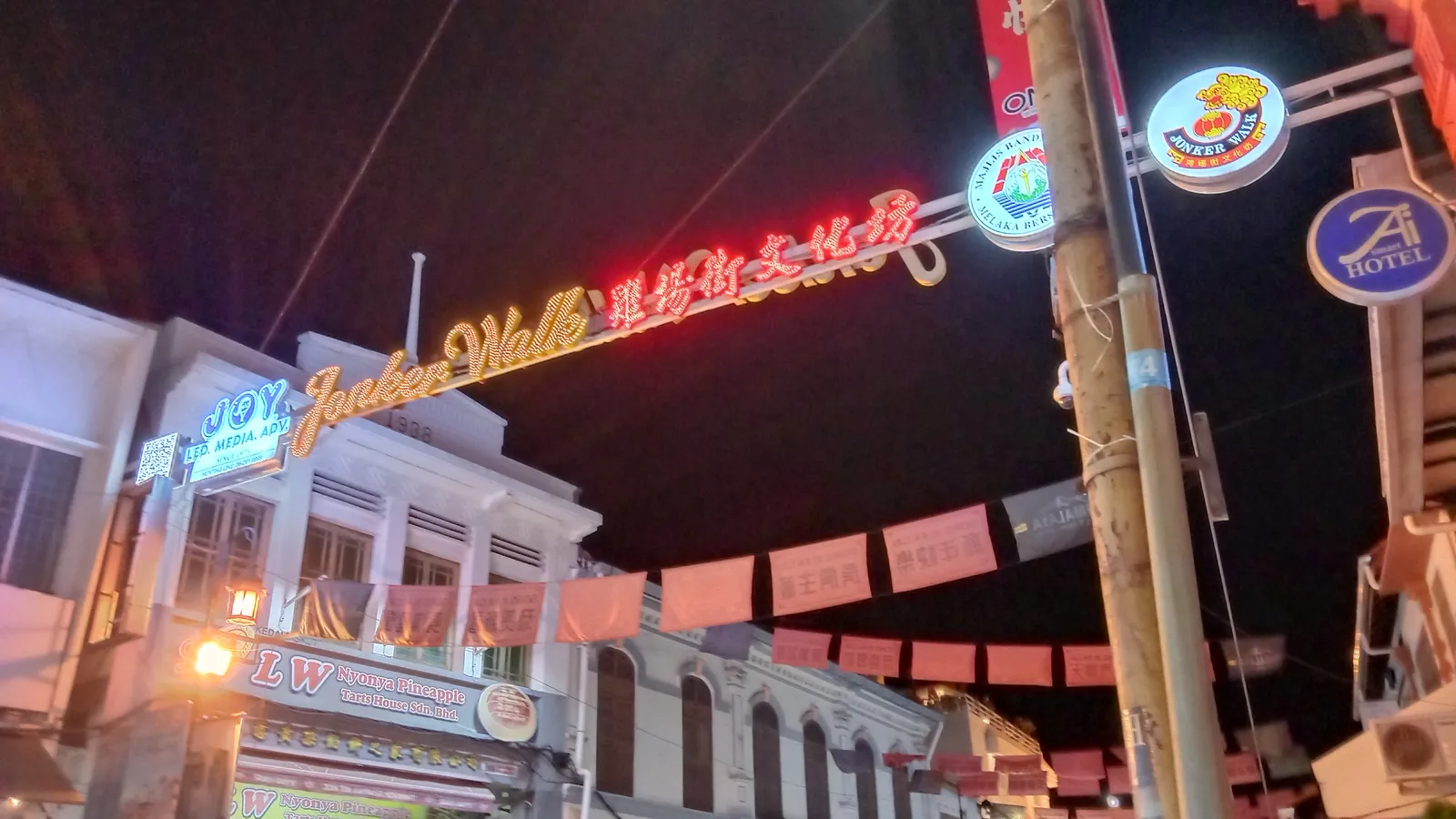
The short answer: on Jonker Street in the daytime, eat a bowl of cendol made with gula Melaka, a laksa, a plate of chicken rice balls and a few pieces of Nyonya kuih, then rest your feet over kopi in an old shophouse. The best stretch is Jalan Hang Jebat (Jonker Street itself) and the lanes that cross it, such as Jalan Hang Lekir and Jalan Hang Kasturi, with Heeren Street (Jalan Tun Tan Cheng Lock) one block towards the sea.
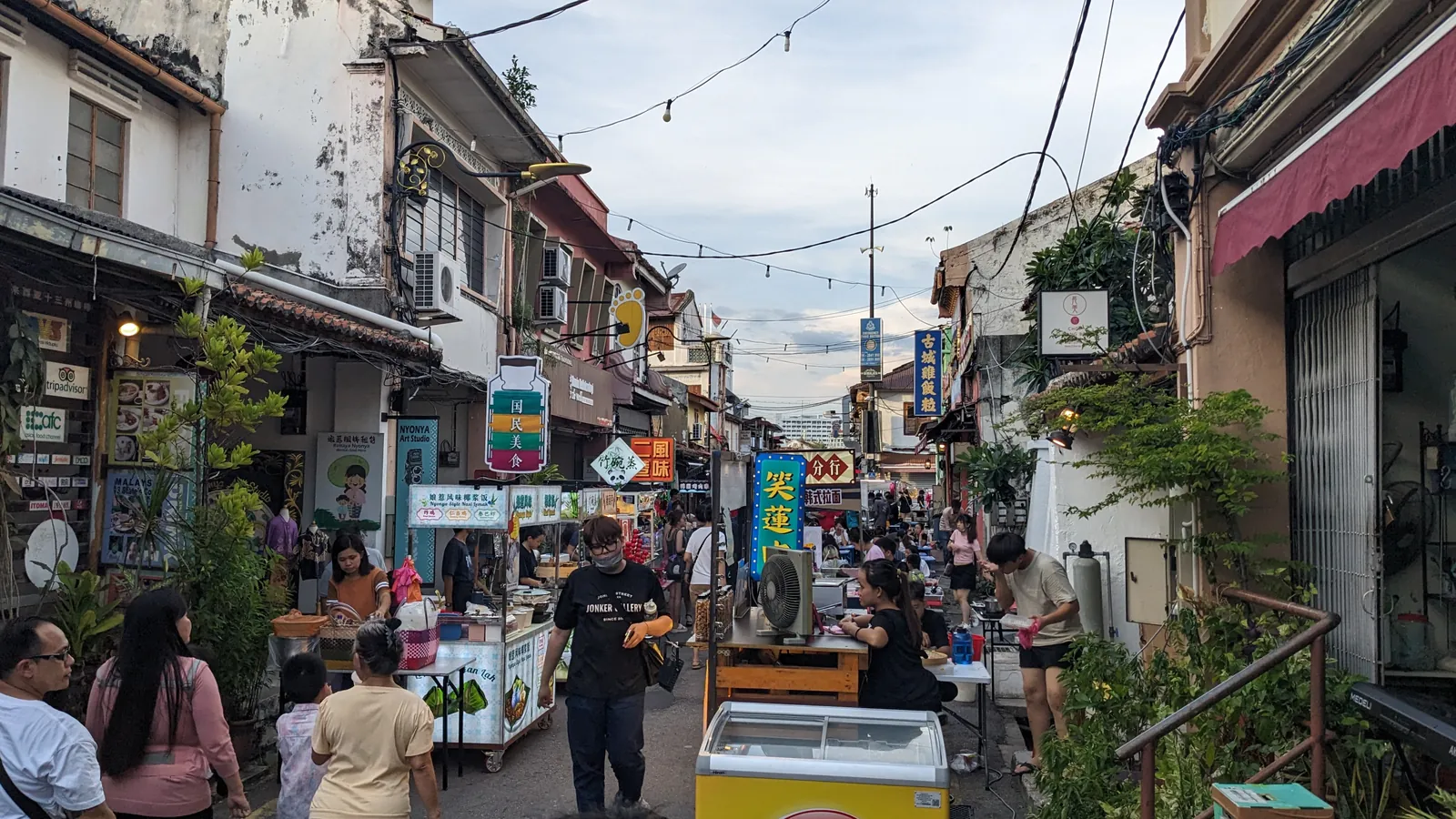
This guide is about eating in the old quarter by day, when the shops are open, the street is calm enough to walk and you can actually sit down. If you are coming for the weekend evening stalls, read our Jonker Street night market guide instead; for sights beyond food, see things to do in Melaka.
Jonker Street food at a glance
| Craving | What to order | Best time |
|---|---|---|
| Something cold | Cendol with gula Melaka, durian cendol when in season | Late morning to mid-afternoon |
| A proper meal | Chicken rice balls with steamed chicken | Before 11am, or after the lunch rush |
| Noodles | Nyonya laksa or asam laksa | Lunch |
| A snack to share | Nyonya kuih, pineapple tarts, durian puffs | Any time the shops are open |
| A sit-down break | Local kopi, or a cold drink in a converted shophouse | Afternoon, when the heat peaks |
The dishes to try
Cendol with gula Melaka
If you only eat one thing in Melaka, make it cendol. Shaved ice is topped with green pandan jelly strands, red beans and coconut milk, then soaked in dark, smoky gula Melaka, the palm sugar that carries the state’s name. Compared with the versions most Singaporeans grew up with, the Melaka style leans heavier on the palm sugar syrup, so it tastes richer and less sweet-sharp. Many shops also offer a durian version; the fruit is freshest in the mid-year season, and outside it some places use frozen durian.
Laksa, two ways
Two very different bowls share the name. Nyonya laksa (laksa lemak) is a coconut-curry noodle soup, rich and gently spiced, usually with prawns, fish cake and tau pok. Asam laksa is the sour, tamarind-based cousin with flaked fish and a sharp kick. Order one of each if you are sharing, and compare.
Chicken rice balls
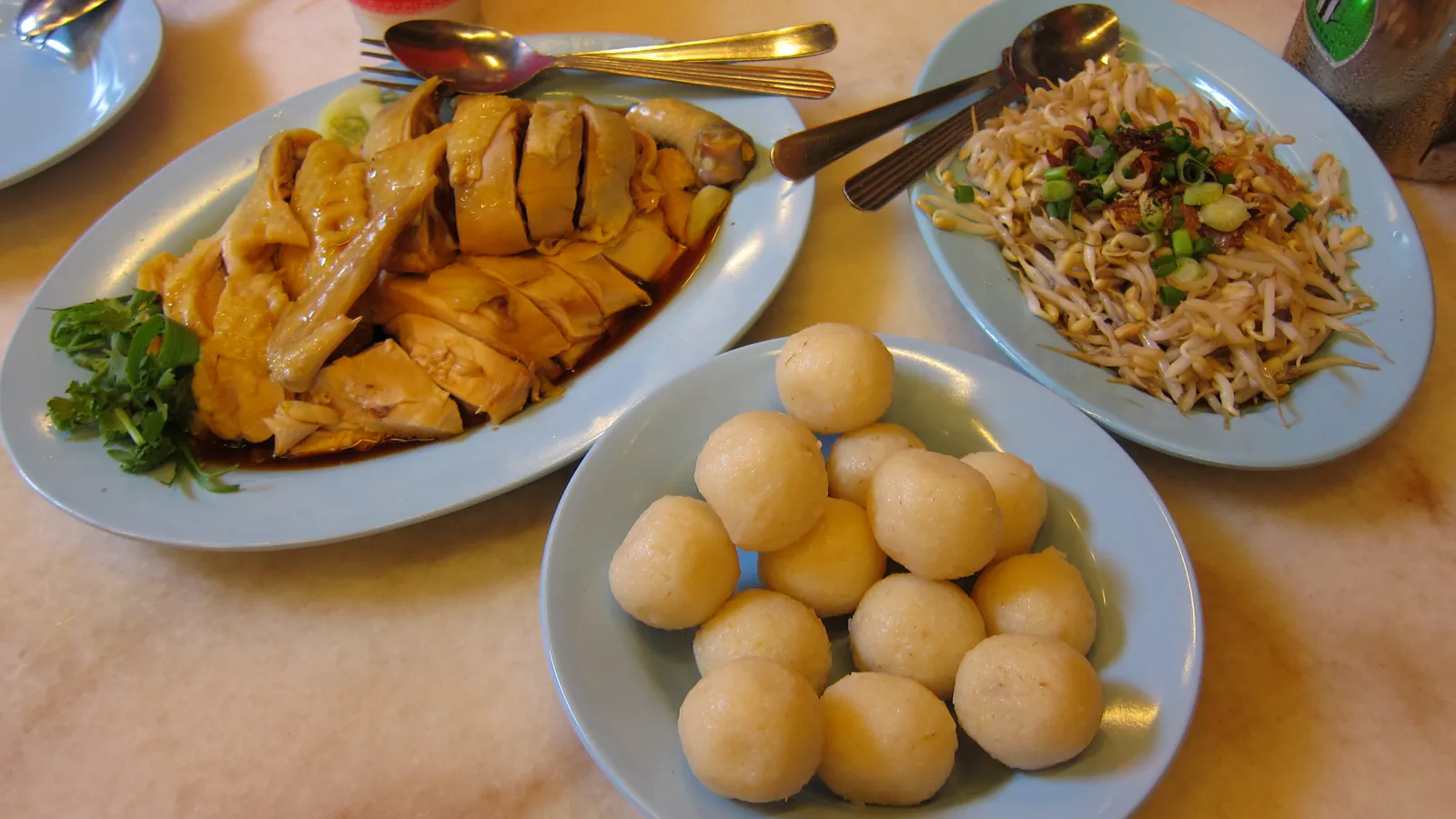
Melaka’s best-known dish is Hainanese chicken rice with the rice pressed into small balls, served with steamed or roasted chicken, chilli and soup. Several old shops on Jalan Hang Jebat serve it, and the busiest ones sell out by early afternoon. We cover the dish, its story and where to order it in our Nyonya food and chicken rice ball guide, so here is just the timing tip: go before 11am, or come mid-afternoon on a weekday.
Nyonya kuih and bakes
The bakeries and dessert shops around Jonker Street sell trays of colourful kuih: onde-onde rolled in grated coconut and filled with liquid palm sugar, layered kuih lapis, and pandan-scented treats wrapped in banana leaf. Pineapple tarts are sold almost everywhere, often as open tarts or rolled balls, and durian puffs are a popular takeaway. Buy kuih on the day you eat them; most do not keep well in a hot car.
Kopi and something cold
Old coffee shops still pour thick local kopi with condensed milk, and newer cafés have moved into restored shophouses along Jalan Hang Jebat and the side lanes, many with a gula Melaka twist on their lattes. When the afternoon sun is at its strongest, a café with a fan or air-conditioning is the best seat in town.
Where to eat on and around Jonker Street
Shops on this street come and go, and opening days change, so we only name long-running places that recent visitors and food guides have confirmed are still trading. Check each shop’s own social media for its current hours and rest day before you go.
- Jonker 88 (88 Jalan Hang Jebat) – the most famous cendol and laksa address on the street, set in a narrow old shophouse. Expect a queue and shared tables. Opinions on the food are divided these days, but first-timers usually want to try it anyway; go early in the day for a shorter wait.
- Christina Ee (29 Jalan Hang Lekir) – a small shop known for Nyonya cendol and handmade pineapple tarts, just off the main street. Calmer than the big names, and a good place to pick up tarts to take home.
- Chung Wah (18 Jalan Hang Jebat) – a no-frills coffee shop at the river end of Jonker Street that has served chicken rice balls for decades. Queues build early at weekends and the food often runs out by early afternoon.
- Geographer Cafe (83 Jalan Hang Jebat) – a long-running corner café-bar in a heritage building, good for a cold drink and local plates while you people-watch.
Many of the best-known shops in the old quarter are not halal-certified. If your group needs halal food, look for the official JAKIM halal certificate displayed at the counter, or ask before you order.
Heeren Street and the quieter lanes
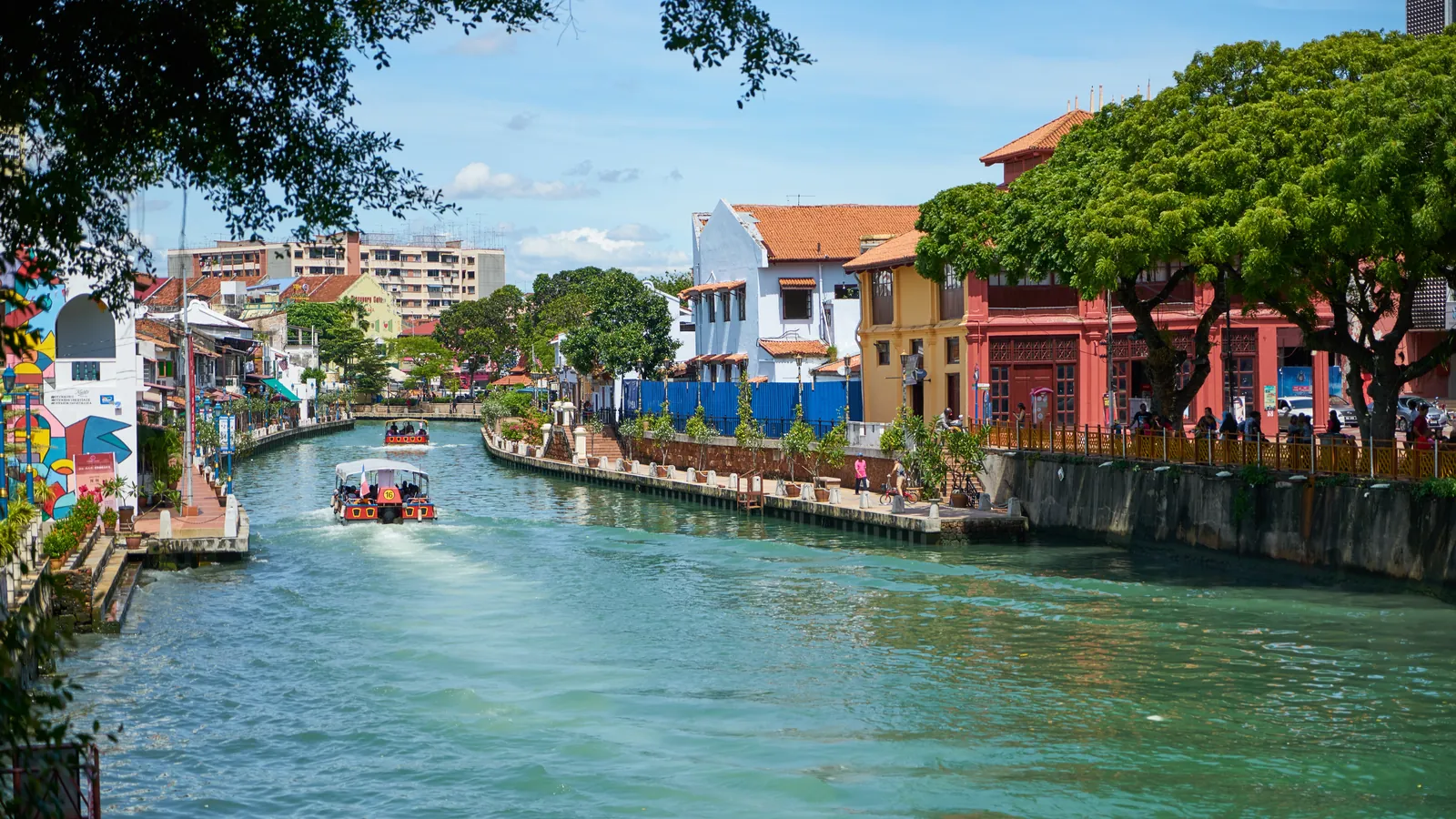
One street over, Heeren Street (Jalan Tun Tan Cheng Lock) is lined with long Peranakan townhouses, including the Baba & Nyonya Heritage Museum. It is quieter than Jonker Street and has a handful of Peranakan restaurants, cafés and guesthouses in restored homes. It is the best lane for a slow lunch away from the crowds, and the walk between the two streets takes only a couple of minutes through the cross lanes.
The lanes in between, such as Jalan Hang Lekir and Jalan Hang Kasturi, are where many smaller dessert shops and cafés sit. Wander them rather than sticking to the main street, especially at weekends.
Practical tips
- Go early. Mornings are cooler, queues are shorter and the popular dishes have not sold out. Lunchtime on Saturday is the busiest window of the week.
- Weekdays are calmer. Most food shops trade in the daytime all week, though many take one rest day. Monday to Thursday you can usually walk in.
- Carry cash in small notes. More shops now take e-wallet QR codes, but older coffee shops and stalls often prefer ringgit cash.
- Share plates. Portions are modest, so order a little at each stop and keep room for the next.
- Mind the heat. Bring water and a hat, and plan an indoor break between 1pm and 4pm.
- Buy snacks last. Pick up tarts and kuih on your way out so they spend less time in the heat.
Getting to Jonker Street from Singapore
Parking around Jonker Street is limited and fills up fast at weekends, and the lanes are narrow. A private car takes that problem away: your driver drops you near Dutch Square or the river end of Jonker Street, waits or comes back at an agreed time, and there is space in the boot for the boxes of pineapple tarts you will inevitably buy. With Luxway SGMY, you are collected anywhere in Singapore, you stay in the car through immigration at both checkpoints, and the fare is per car with no deposit; you pay the driver on arrival. The drive usually takes about three to three and a half hours, depending on the checkpoint and traffic. For a one-day plan, see our Malacca day trip guide.
Plan your Melaka food trip
See vehicles and fares on our Singapore to Melaka private car page (from SGD 260 one way in a Toyota Innova), then Whatsapp us your date, group size and pick-up point, or book on our online booking page.
Frequently Asked Questions
Is Jonker Street worth visiting in the daytime?
Yes, especially for food. The shophouse cafés, dessert shops and chicken rice ball shops trade in the daytime, the street is easier to walk, and you can sit down to eat. The stalls only appear on weekend evenings.
What is the one food I should not miss in Melaka?
Cendol with gula Melaka. The local palm sugar gives it a deeper, smoky sweetness that is hard to find elsewhere, and it is the perfect break from the heat.
Is food on Jonker Street halal?
Many of the best-known shops in the old quarter are not halal-certified. Look for the JAKIM halal certificate at the counter, or ask the staff before you order.
Can I pay by card on Jonker Street?
Some cafés accept cards and many shops take e-wallet QR codes, but older coffee shops and small stalls often prefer cash. Bring small ringgit notes.
How much time should I set aside for a food walk?
Two to three hours is enough for four or five stops at a relaxed pace, including a sit-down break in a café.
Last updated: 14 October 2026

Luxway SGMY
Planning a trip to JB, Melaka, or Genting? At Luxway, we believe in transparency and comfort. Our blog features updated 2026 guides on private car transfers, border-crossing tips, and hidden gems in Malaysia. Read our curated content to travel like a VIP with no hidden fees.