Table of Contents
The dishes to eat in Kuala Lumpur are KL-style Hokkien mee, curry laksa, nasi lemak, banana leaf rice, roti canai, satay and bak kut teh, and each has its own home ground. Go to Chinatown for Hokkien mee and curry laksa, Jalan Alor in Bukit Bintang for a night of hawker food, Kampung Baru for Malay cooking, Brickfields and Bangsar for banana leaf rice, and the old kopitiam for a Hainanese breakfast. This guide explains what each dish is, where it is done well, and how to fit it all into a short trip from Singapore.
Many dishes share a name with Singapore favourites but taste quite different, which is half the fun. If you are planning the rest of your trip, our KL 3D2N itinerary has a day-by-day plan to eat around.
KL dishes at a glance
| Dish | What to expect | Where to try it |
|---|---|---|
| KL Hokkien mee | Thick yellow noodles fried in dark soy, with pork, prawns and crispy lard | Chinatown, late evening |
| Curry laksa | Rich coconut curry broth with noodles, tofu puffs, aubergine and cockles | Madras Lane, Chinatown, mornings |
| Nasi lemak | Coconut rice, sambal, anchovies, peanuts, egg, often with fried chicken | Kampung Baru; Damansara Uptown |
| Banana leaf rice | Rice, vegetables and curries served on a banana leaf, eaten by hand | Brickfields; Bangsar |
| Roti canai and teh tarik | Flaky flatbread with dhal or curry, and frothy pulled milk tea | Any mamak shop, day or night |
| Hainanese kopitiam food | Kaya toast, soft-boiled eggs, Hainanese chicken chop | Old coffee shops in the city centre |
| Satay | Grilled skewers with peanut sauce, cucumber and rice cakes | Jalan Alor; Kajang, south of the city |
| Bak kut teh | Pork rib soup with herbs and garlic, darker than the Singapore pepper style | KL shops, or Klang for the classic version |
| Pan mee | Hand-made Hakka noodles, in soup or dry with chilli and a runny egg | Coffee shops across the city |
The dishes in more detail
KL Hokkien mee
Forget the pale, prawny Singapore version. KL Hokkien mee is thick noodles fried over high heat in dark soy sauce until glossy and smoky, with pork, prawns, cabbage and crunchy lard. It is a dinner and supper dish. Kim Lian Kee on Jalan Hang Lekir in Chinatown, which traces its history back to the 1920s, is widely credited as the place where this style of the dish began.
Curry laksa
KL’s curry laksa (often just called curry mee) is coconut-rich and heavier than the Penang or Singapore versions. The famous bowls are in Madras Lane, a narrow alley off Petaling Street where a few hawkers have cooked for decades. It is a breakfast and lunch spot, so go in the morning; many stalls close by mid-afternoon.
Nasi lemak
Malaysia’s national breakfast is eaten at any hour in KL. The fragrant coconut rice comes with sambal, fried anchovies, peanuts, cucumber and egg, and the popular upgrade is a piece of spiced fried chicken (ayam goreng berempah). Kampung Baru, the Malay village in the shadow of the twin towers, has many stalls. Locals also drive to Village Park Restaurant in Damansara Uptown, Petaling Jaya, which has been known for its nasi lemak for more than 20 years; expect a queue at weekends.
Banana leaf rice
South Indian banana leaf meals are a KL institution. You get rice and several vegetables on a banana leaf, then choose from fried chicken, fish, mutton or squid, and staff pour curry over everything. Brickfields, KL’s Little India, is full of options. In Bangsar, Sri Nirwana Maju on Jalan Telawi 3 has a Michelin Bib Gourmand listing and is busy at lunch. Fold the leaf towards you when you finish to show you enjoyed the meal.
Hainanese kopitiam breakfast
KL’s old coffee shops serve kaya toast, half-boiled eggs and strong coffee, plus Hainanese dishes such as chicken chop with gravy. Yut Kee, a family-run kopitiam dating back to 1928 and now on Jalan Kamunting, is one of the best known; go early to avoid the weekend crowds.
Satay and bak kut teh
You will find satay on Jalan Alor every night, but the town of Kajang, south of KL, is so famous for it that “Kajang satay” is a style in its own right. Bak kut teh in the Klang Valley is the dark, herbal kind, and the port town of Klang is the place devotees travel to. Both make good reasons for a short side trip if you have a car.
Where to eat: KL by neighbourhood
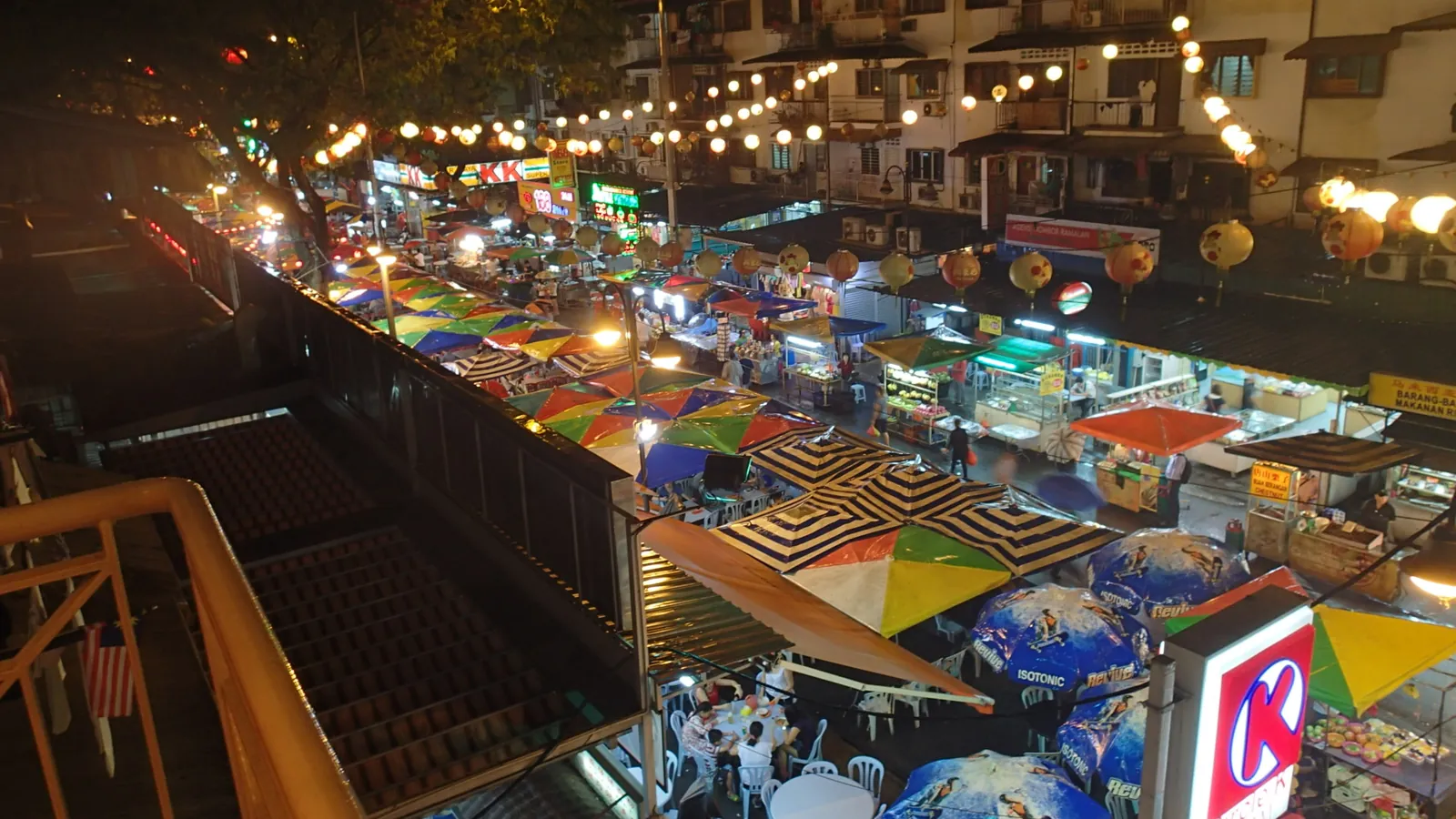
Jalan Alor, Bukit Bintang
KL’s best-known food street comes alive after dark, when tables spill onto the road and the stalls grill seafood, chicken wings and satay. Wong Ah Wah, a long-running restaurant on the street, is known for its charcoal-grilled chicken wings. Prices are higher than elsewhere because it is so central and so popular, but for variety in one place it is hard to beat. Check prices before you order seafood sold by weight.
Chinatown and Petaling Street
Come in the morning for curry laksa in Madras Lane, yong tau foo and coffee, then return at night for Hokkien mee. Between meals, explore Kwai Chai Hong, the restored lane of murals, and the cafés in old shophouses nearby.
Kampung Baru
This is the place for Malay home cooking: nasi lemak, nasi campur from a counter of dishes, grilled fish and kuih. During Ramadan, a large food bazaar sets up in the late afternoon before the breaking of the fast, and it is one of the city’s great food experiences. Dress modestly and be respectful during prayer times.
Brickfields and Bangsar
Brickfields, next to KL Sentral, has banana leaf restaurants, vegetarian Indian food and sweet shops. Bangsar, a few minutes away, mixes banana leaf favourites with cafés, bakeries and weekend brunch spots.
A day of eating in KL
- Breakfast: kaya toast and coffee at an old kopitiam, or nasi lemak.
- Late morning: curry laksa in Madras Lane, then a walk around Chinatown.
- Lunch: banana leaf rice in Brickfields or Bangsar.
- Afternoon: cendol or ais kacang to cool down, or a rest in a mall.
- Dinner: Jalan Alor for wings, satay and seafood.
- Supper: Hokkien mee in Chinatown, or roti canai and teh tarik at a 24-hour mamak.
Practical tips for eating in KL
- Look for halal signs. Muslim visitors can look for Malaysia’s official halal certification from JAKIM; many Chinese restaurants are pork-free but not certified, and many hawker dishes, including Hokkien mee and bak kut teh, contain pork.
- Carry small notes. E-wallets and cards are widely accepted, but some hawkers still prefer cash.
- Order drinks separately. At coffee shops and hawker spots, a drinks seller usually comes to your table, and you pay each stall on delivery.
- Check opening days. Many famous hawkers close one day a week, sell out early or take breaks during festive periods. Check recent listings before you make a special trip.
- Ask for less spicy. Say “kurang pedas” if the children cannot take the heat.
- Restaurant bills may include service charge and tax; hawker prices do not.
Eating around KL with a private car
Many of KL’s best meals are spread across the city and its suburbs, from Damansara Uptown to Kajang and Klang, and they are awkward to string together by train. With a private car, you can plan a proper food trail without parking hunts or waiting for rides in the heat. Luxway SGMY drivers collect you anywhere in Singapore, you stay in the car through immigration at both checkpoints, and fares are per car, from SGD 340 one way in a Toyota Innova, with no deposit; you pay the driver on arrival. To keep the car for a day of eating around the Klang Valley, ask about our hourly Day Trip Service. Still choosing a base? See where to stay in Kuala Lumpur.
Plan your KL food trip
See vehicles and fares on our Singapore to Kuala Lumpur private car page, then Whatsapp us your dates, hotel and group size, or book on our online booking page. Come hungry.
Frequently Asked Questions
What is the one dish I should not miss in Kuala Lumpur?
KL-style Hokkien mee. It is very different from the Singapore dish, with thick noodles in dark soy sauce, and it is hard to find done the same way outside the Klang Valley.
Is Jalan Alor worth visiting?
Yes, for the atmosphere and the variety in one street, especially in the evening. Expect higher prices than at neighbourhood hawkers, and confirm the price of seafood before ordering.
Where can Muslim visitors find halal food in KL?
Halal food is easy to find. Malay and mamak restaurants are generally halal, Kampung Baru is a good area to explore, and certified outlets display Malaysia’s official halal certificate.
What is the best time to eat at Madras Lane?
In the morning or around lunch. The curry laksa stalls are breakfast and lunch businesses and often close by mid-afternoon.
Can we bring food back from KL to Singapore?
Some foods are restricted when entering Singapore, especially meat and meat products. Check the rules from Singapore Food Agency and ICA before you buy food to take home.
Last updated: 14 October 2026

Luxway SGMY
Planning a trip to JB, Melaka, or Genting? At Luxway, we believe in transparency and comfort. Our blog features updated 2026 guides on private car transfers, border-crossing tips, and hidden gems in Malaysia. Read our curated content to travel like a VIP with no hidden fees.